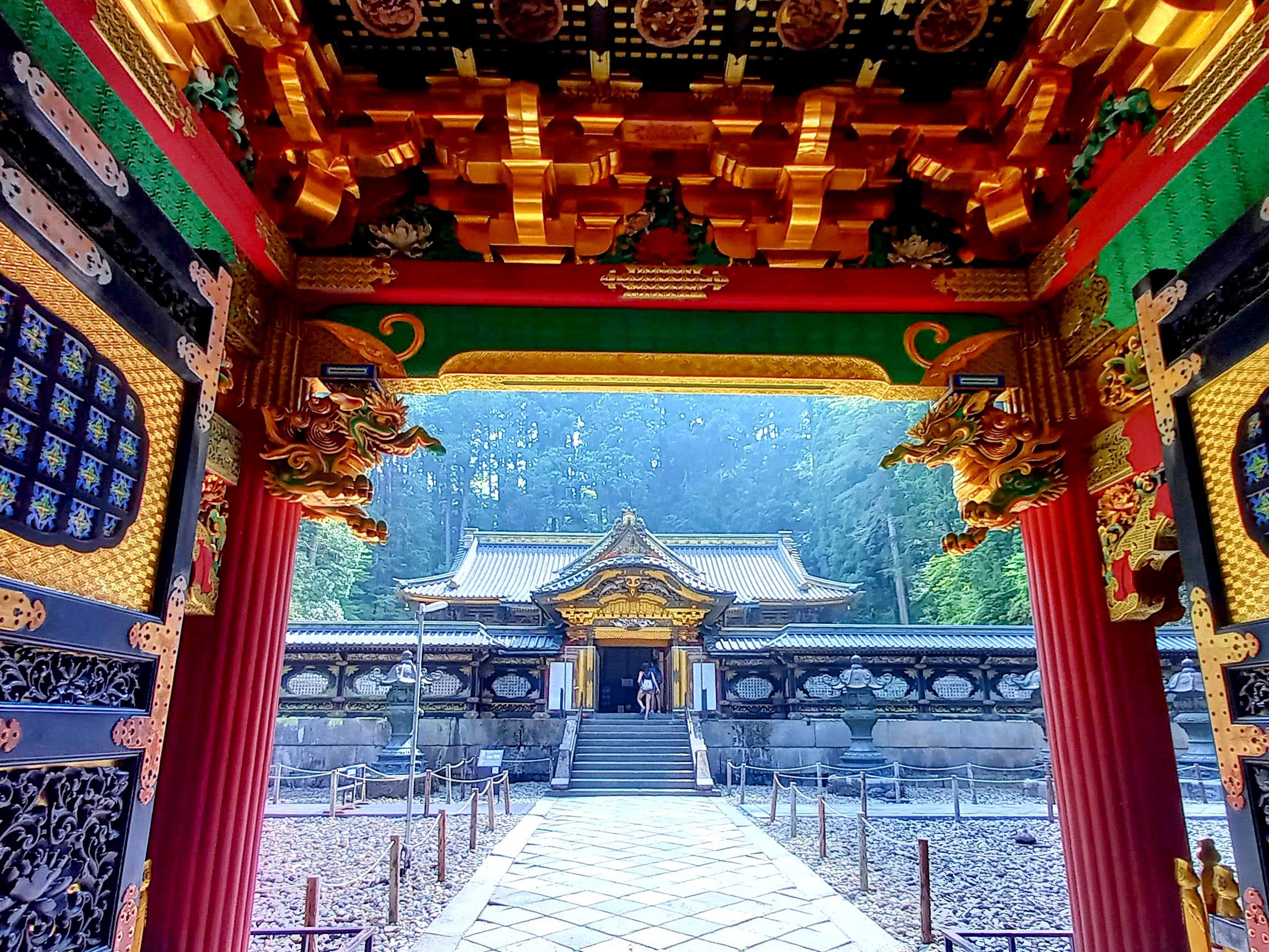
NIKKO (1 WHS)
A perfect Tokyo day trip: Rinno-ji, Futarasan, Tosho-gu, and the red Shinkyo bridge
The UNESCO property in Nikko is a religious and architectural ensemble centered on three major monuments: Nikko Toshogu Shrine, Nikko Rinno-ji Temple, and Nikko Futarasan Shrine. Together they include more than one hundred historic structures, among them national treasures and important cultural properties.
These monuments are deeply connected to both mountain worship and the Tokugawa era. Rather than isolated sites, they work as one coherent sacred landscape, where forest, shrines, temples, gates, and paths are part of the same experience.
Toshogu enshrines Tokugawa Ieyasu, founder of the Tokugawa shogunate, and is the most elaborate of the Nikko monuments. The shrine is known for exceptionally refined wood carvings, decorative detail, and layered symbolic imagery. Many of the craftsmanship traditions associated with Nikko later evolved into local carving practices still recognized in the region.
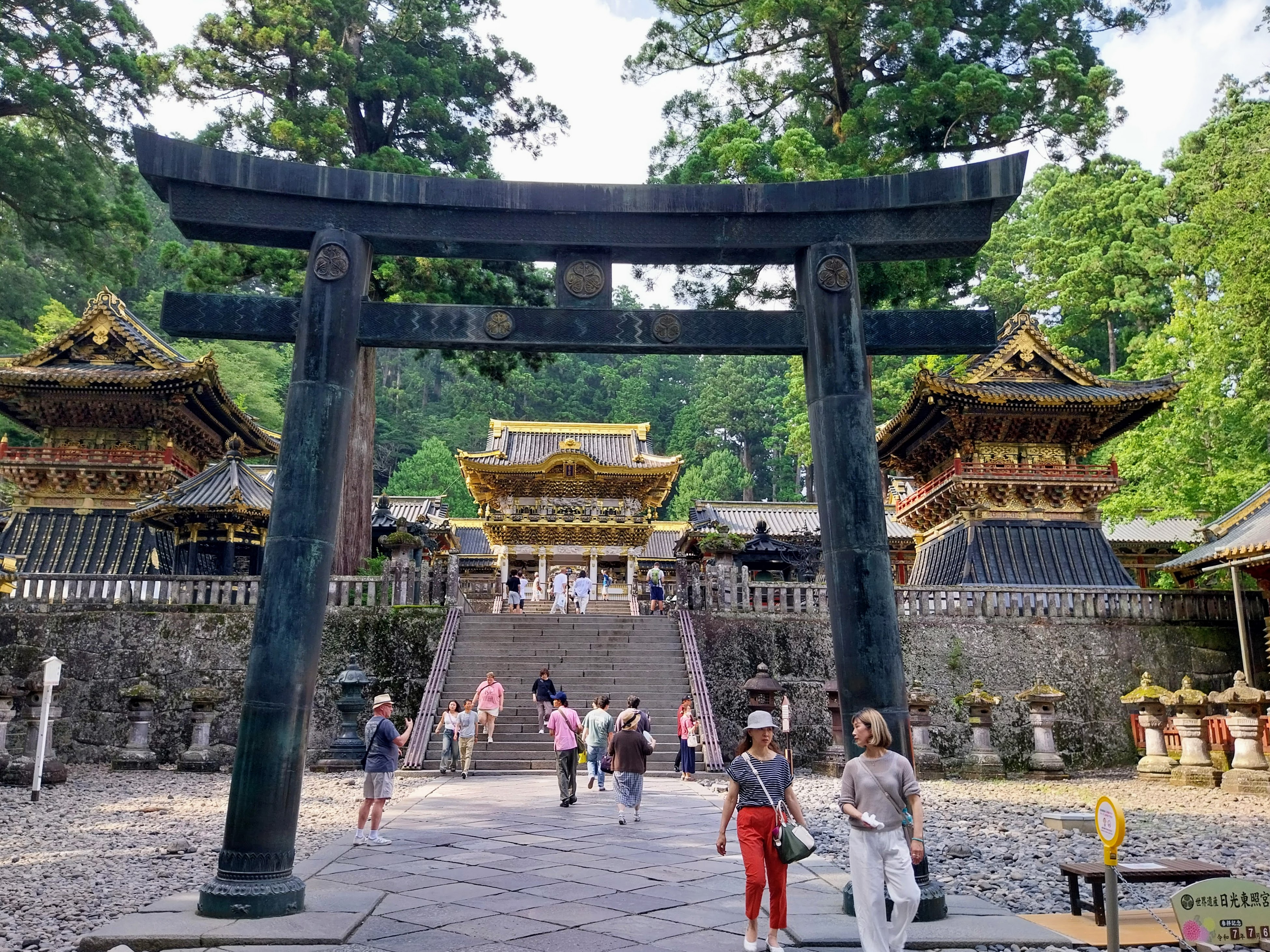
Rinno-ji traces its origins to Shodo Shonin, the Buddhist monk credited with establishing Nikko as a religious center. Its principal halls are among the most significant wooden temple buildings in eastern Japan. The nearby Taiyuin mausoleum, dedicated to Tokugawa Iemitsu (the third shogun), is another major draw because of its intricate carvings and atmosphere.
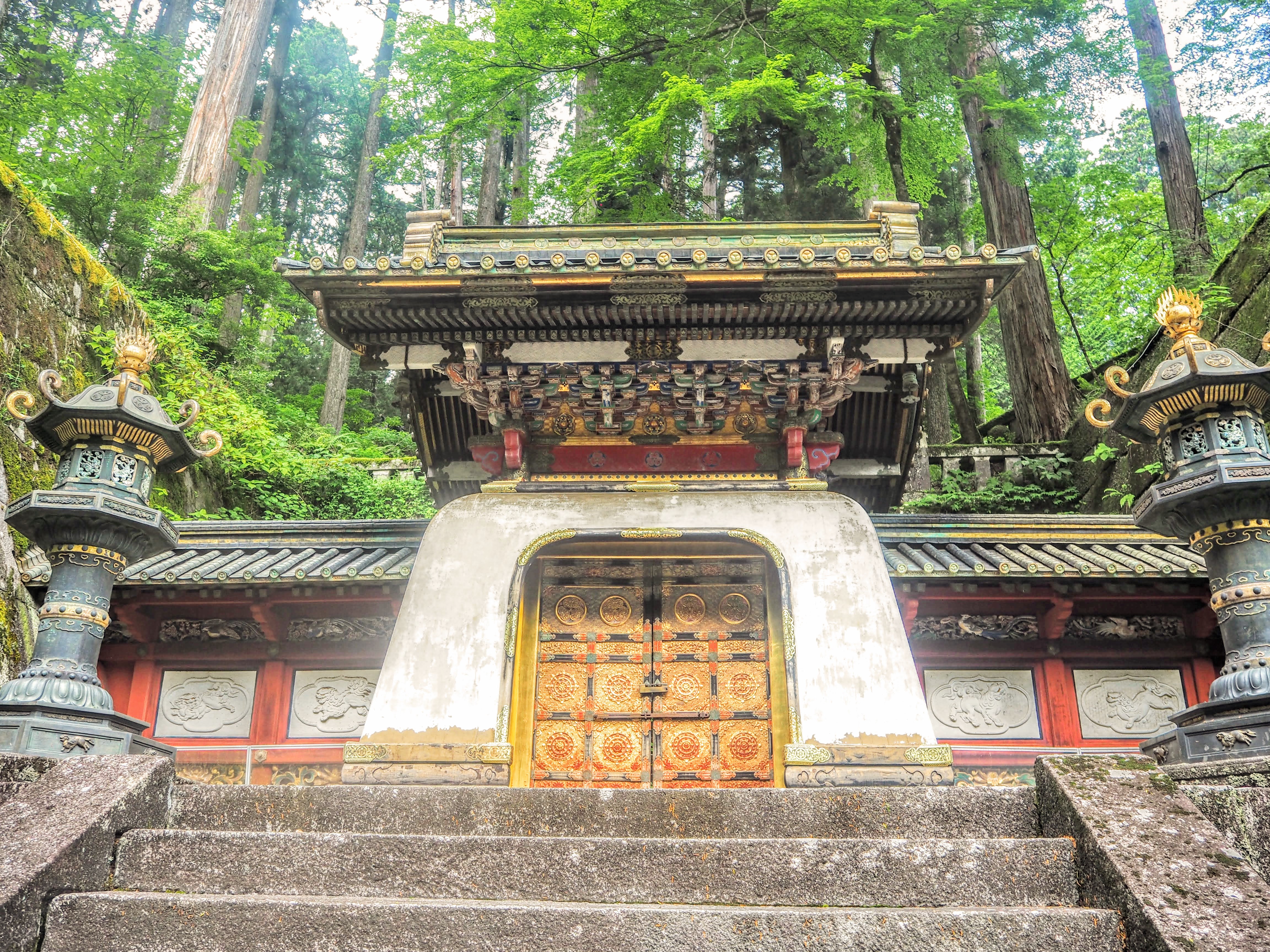
Also associated with Shodo Shonin, Futarasan Shrine has long been linked to mountain worship and to Mount Nantai, one of Nikko's spiritual symbols. Historically regarded as a key shrine of the old Shimotsuke Province, it remains active today and is closely tied to seasonal traditions such as the Yayoi Festival that celebrates the arrival of spring.
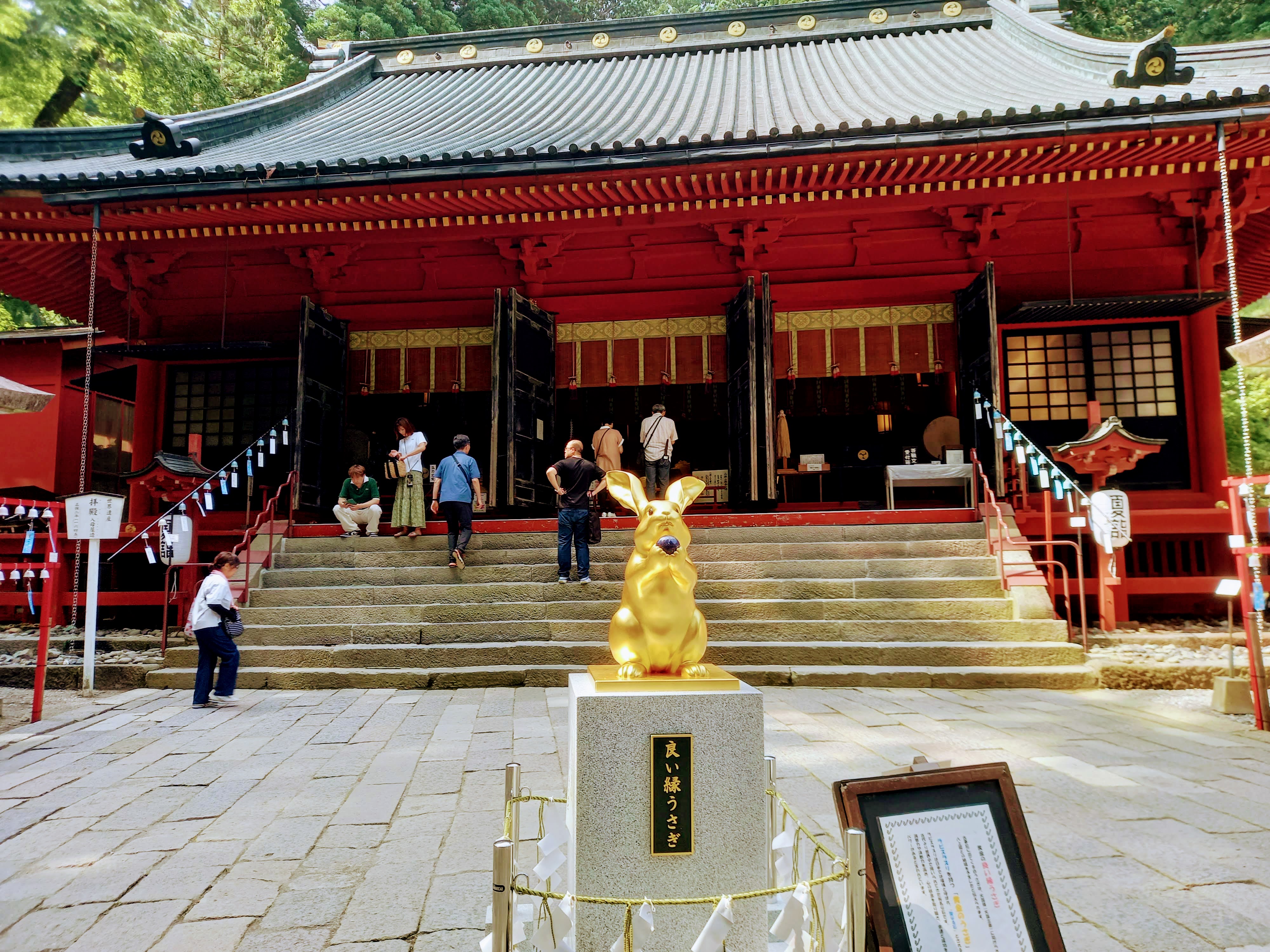
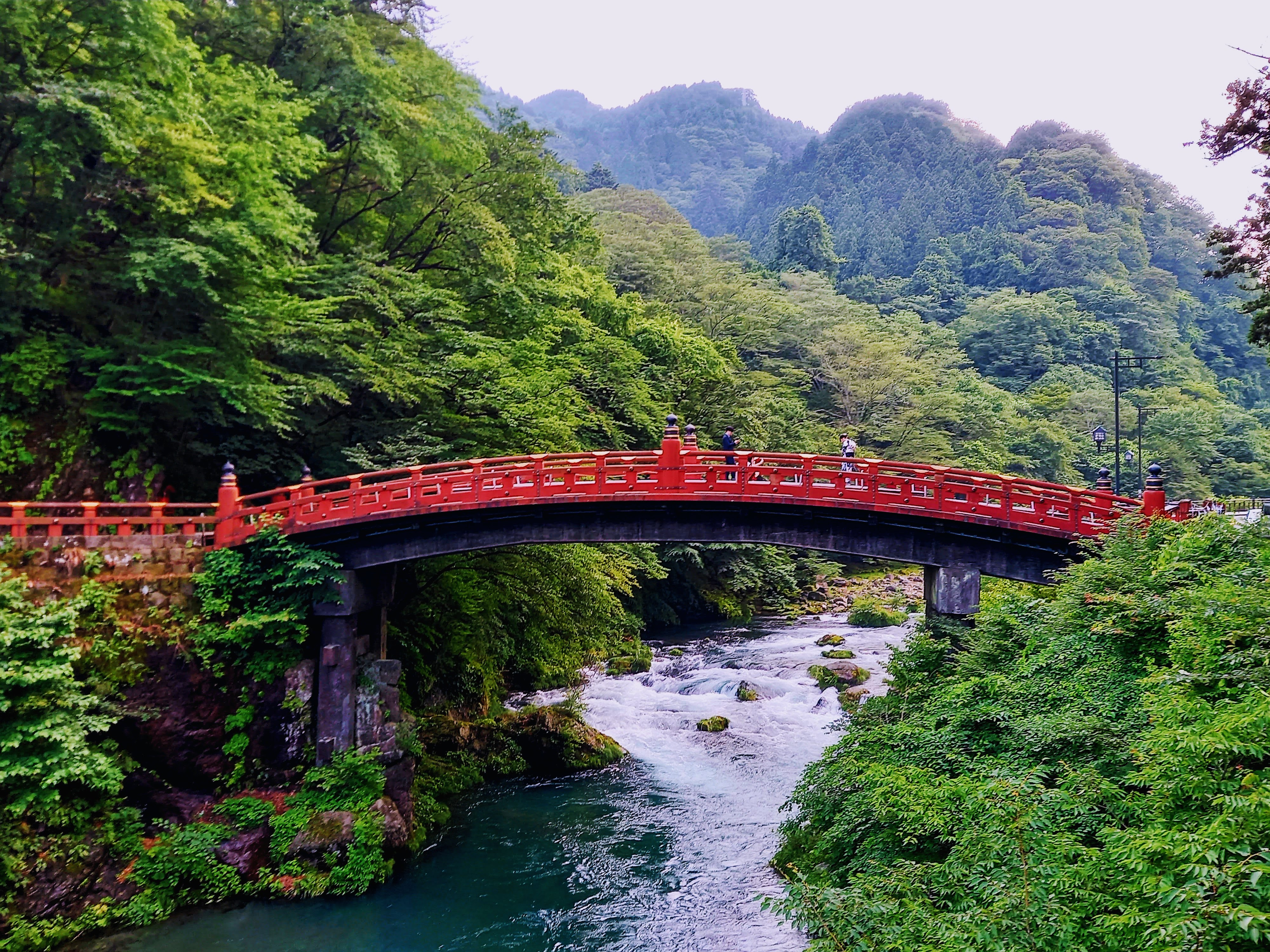
I followed this sequence in Nikko: Rinno-ji → Futarasan → Toshogu → Shinkyo Bridge.
| Step | Place | Type | Practical note |
|---|---|---|---|
| 1 | Rinno-ji | Temple | Good first stop to ease into the complex before bigger crowds build. |
| 2 | Futarasan Shrine | Shrine | Compact and atmospheric; easy transfer on foot from Rinno-ji. |
| 3 | Toshogu Shrine | Shrine complex | The most ornate site; budget extra time for carvings and gates. |
| 4 | Shinkyo Bridge | Historic bridge | Iconic red bridge and best finishing photo point for the day. |
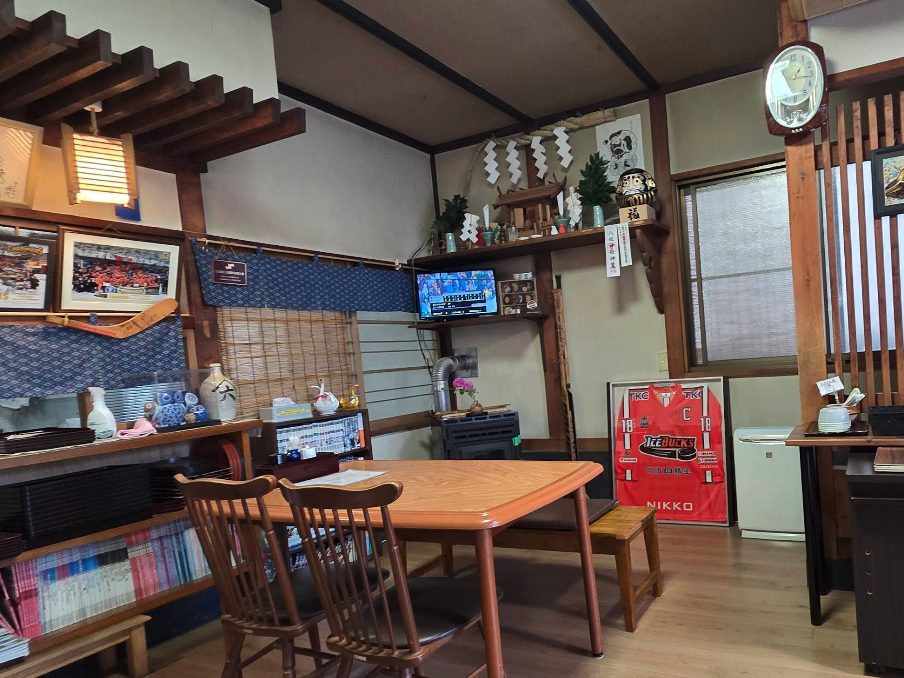
For lunch we stopped at Udon Yamaroku, and it was excellent. If you want a warm, satisfying meal between monument visits, this is a strong option.
Yes. With an early start, Nikko is very manageable as a day trip from Tokyo. Tobu rail travel is around 2 hours each way, and the core monument area is walkable once you arrive.
Nikko is one UNESCO World Heritage entry (#913), but it includes multiple components, with Toshogu, Rinno-ji and Futarasan as the three headline monuments.
In this itinerary, Shinkyo is treated as an essential visual and historical stop in the same heritage area. Even if many visitors prioritize the three main monuments, the bridge is worth including in your route.