HIROSHIMA (2 WHS)
From the Peace Memorial to sacred Miyajima Island - two UNESCO sites accessible in one efficient day from Osaka or Kyoto
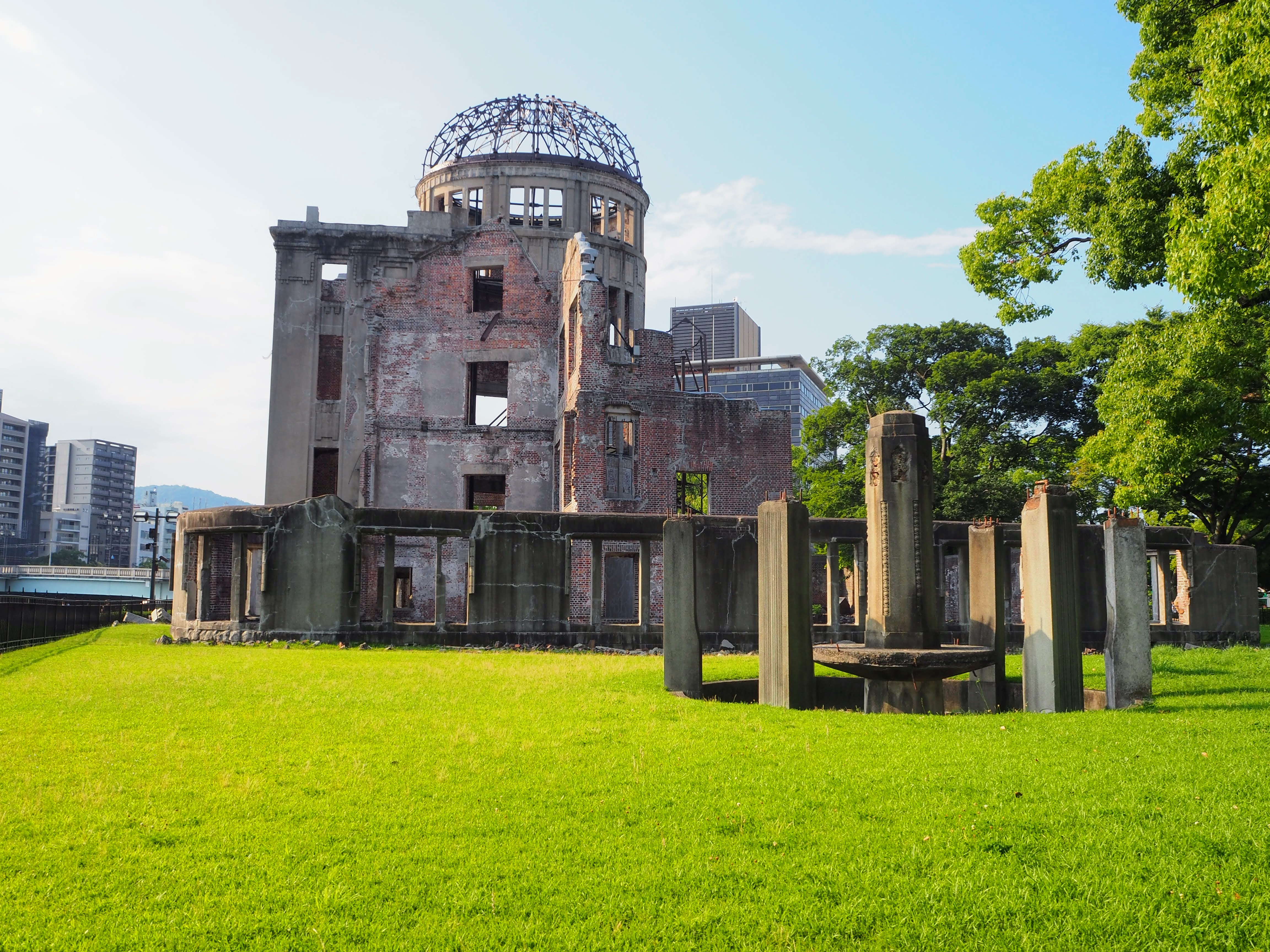
The Hiroshima Peace Memorial is the story of a city devastated by history and rebuilt. On August 6, 1945, a single atomic bomb destroyed the city, killing an estimated 140,000 people by the end of that year. The Genbaku Dome—the skeletal remains of a building that stood near the epicenter—has been preserved as a symbol of survival and peace.
Visiting with my daughters aged 11 and 13, the Peace Museum offered exactly the balance we needed: it was moving and deeply informative without being gratuitously shocking. The exhibits are carefully structured to explain the historical context, the immediate aftermath, and the long-term human consequences, yet they respect the emotional gravity of the subject. It is appropriate for families willing to engage thoughtfully with difficult history.
The museum sequence typically begins with exhibits explaining pre-war Hiroshima and the lead-up to 1945, then moves through the experience of the bomb and its immediate effects, and finally explores recovery and the ongoing peace movement. Budget 2-3 hours for a meaningful visit.
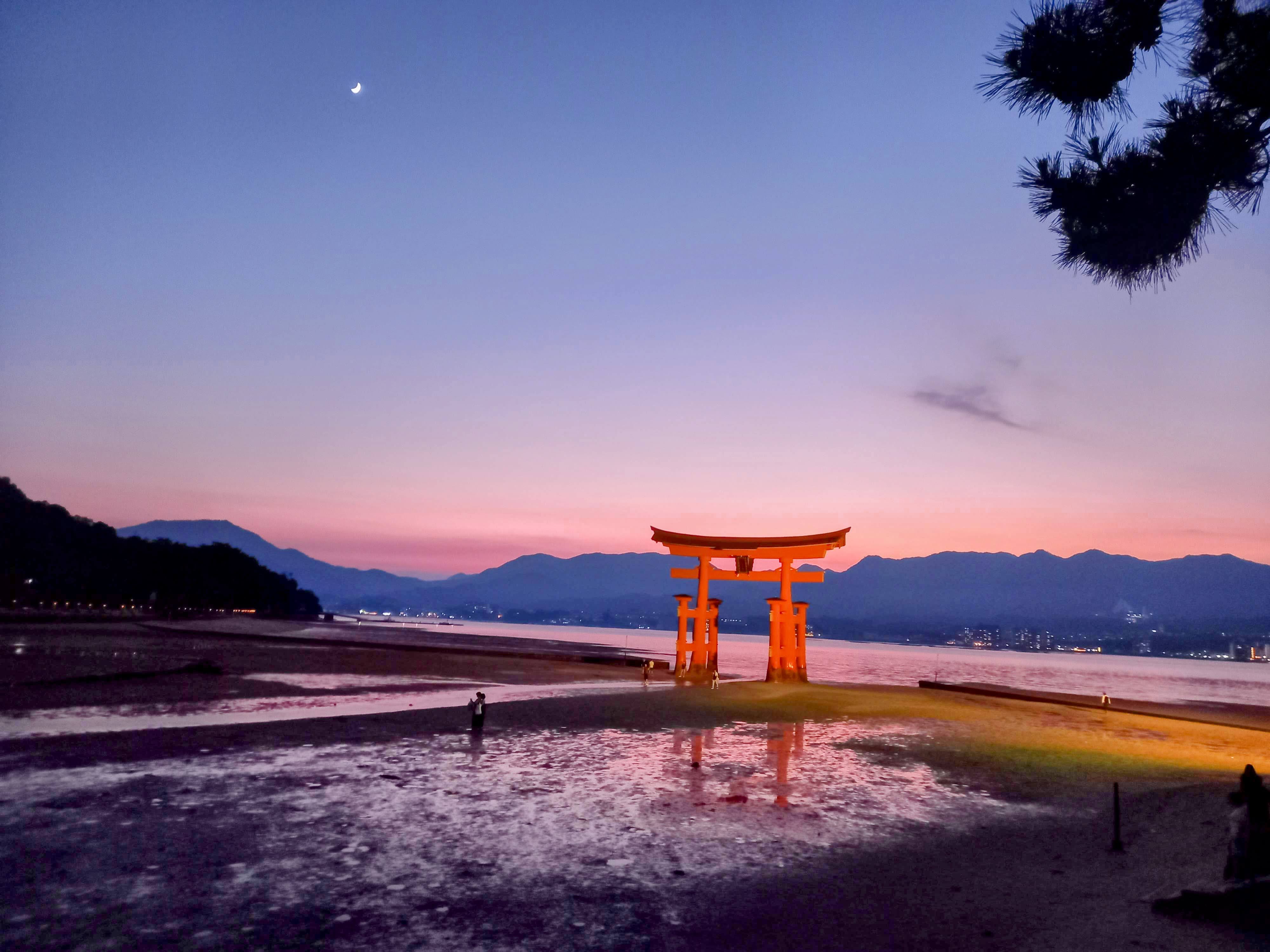
Itsukushima is a sacred island in the Seto Inland Sea, and it has been a holy place of Shintoism since the earliest times. The first shrine buildings here were probably erected in the 6th century, and the island itself is regarded as a deity. Births and deaths are not permitted on the island, reflecting its sacred status—a spiritual boundary that has been maintained across centuries.
One of Japan's Three Great Views: The island of Itsukushima is often cited as one of Japan's three most beautiful scenic vistas, along with Matsushima in Miyagi Prefecture and Amanohashidate in Kyoto Prefecture. This reputation rests partly on the floating torii gate of Itsukushima Shrine, which appears to hover above the water at high tide.
The Floating Torii: The famous torii gate depends entirely on the tide. At high tide, the gate stands in shallow water, appearing to float. At low tide, the water recedes and you can walk directly to the gate. We visited near sunset at low tide, and it was a magical moment—walking barefoot across the wet sand to stand beneath the torii while the light changed. The island also has free-roaming deer, much like Nara, which adds to the sense of sacred wilderness.
A day trip from Hiroshima is feasible, but staying overnight allows you to experience the island at different times of day and tide. We stayed at Hotel Mystays in Hiroshima, which made the early morning and evening ferry crossings easier to manage.
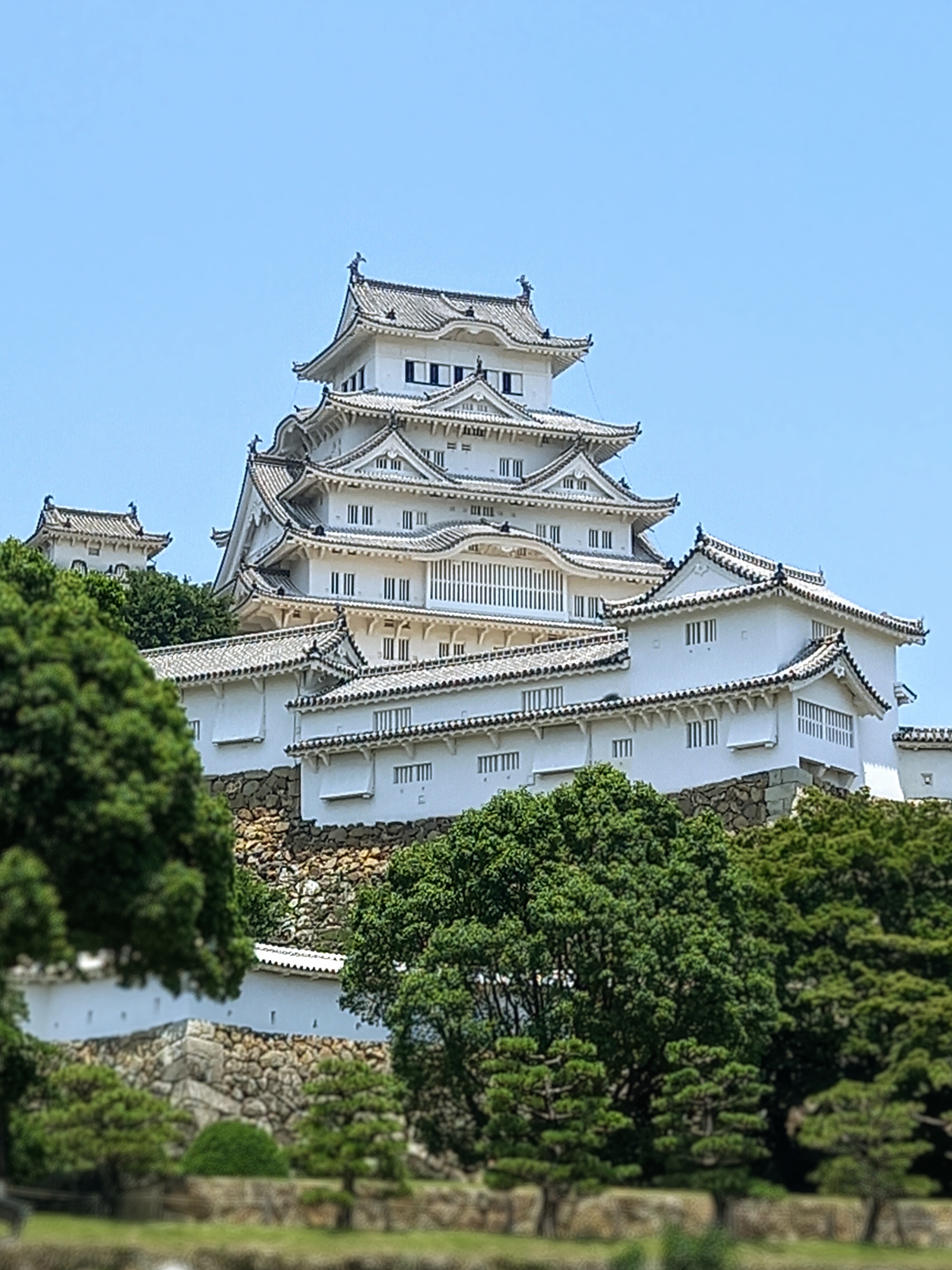
Himeji Castle is a hilltop Japanese castle complex situated in Himeji, a city in Hyogo Prefecture. The castle complex represents a masterpiece of Japanese military architecture, showcasing the finest surviving example of how a prototypical Japanese castle was designed, built, and maintained. Its white exterior walls and elegant, sweeping roofs resemble a white heron—or egret—taking flight, which is why it is called Shirasagi-jo (white heron castle).
On the return journey from Miyajima to Kyoto, Himeji makes a logical pause. The castle is also the most intact of Japan's surviving feudal castles, and the scale and detail of its construction are difficult to appreciate from photos alone. The architecture and defense systems are remarkably well-preserved, and the site offers insight into the engineering and strategic thinking of Japan's feudal period.
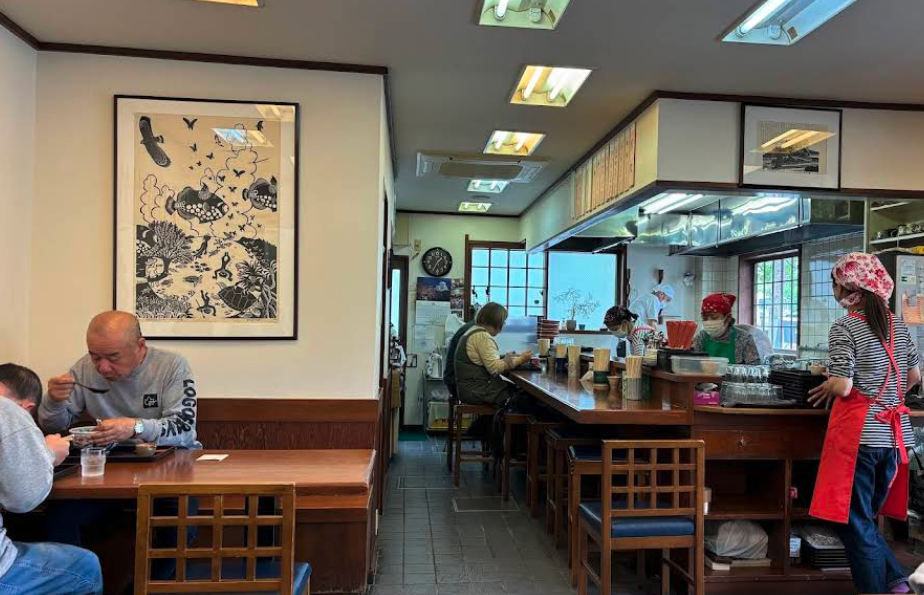
After our Himeji Castle visit in the morning, we had lunch at Menme, a restaurant very close to the castle. It was a great stop for fantastic udon before continuing back toward Kyoto.
This route can be completed in a single day from Hiroshima, or spread across two days with an overnight on Miyajima:
| Timing | Segment | Transport | Practical note |
|---|---|---|---|
| Day 0 (Optional arrival) | Osaka/Kyoto → Hiroshima | Shinkansen (Tokaido/Sanyo line) | Approximately 1.5–2 hours from Kyoto or Osaka. Check rail pass calculator for best pass option. |
| Day 1 (AM) | Hiroshima city exploration | Local streetcar + walk | Peace Memorial complex is walkable or reachable by city tram. Budget 2–3 hours for the museum and dome grounds. |
| Day 1 (PM) | Hiroshima → Hiroden-Miyajimaguchi Station | Train (Sanyo Line or Miyajima Light Rail, ~1 hour) | Direct train from central Hiroshima. Ferry dock is adjacent to the station. |
| Day 1 (PM) | Ferry to Miyajima Island | Ferry (5–10 minutes) | Ferries run frequently throughout the day. Arrive in time for sunset torii experience. |
| Day 1 (Evening) | Miyajima exploration | Walking | Most of the island is walkable. Visit torii gate at different tide phases. Overnight stay recommended for full experience. |
| Day 2 (Optional bonus) | Return to Osaka/Kyoto via Himeji | Ferry back, train north to Himeji Station | Optional diversion: 15–20 min walk from station to Himeji Castle. After the morning visit, lunch at nearby Menme for udon. Then Shinkansen back to Kyoto/Osaka (~1.5 hours). |
Rail Pass Strategy: We used the 5-day Kansai Pass, which covered the round-trip from Osaka/Kyoto through Hiroshima and Miyajima, plus the Himeji bonus stop on return. Check the rail pass calculator to compare day passes, regional passes, and individual ticket costs based on your exact itinerary.
Train to Hiroden-Miyajimaguchi Station (approximately 1 hour on the Sanyo Line or Miyajima Light Rail from central Hiroshima), then a short ferry ride (5–10 minutes). The ferry dock is right next to the train station.
Yes, absolutely. You can arrive in Hiroshima in the morning, spend 2–3 hours at the Peace Memorial, then take the afternoon train and ferry to Miyajima Island to experience the torii gate at sunset. An overnight return to Osaka/Kyoto is feasible the next day.
Yes, with age-appropriate framing. We visited with ages 11 and 13, and the exhibits were educational and respectful. Younger children (under 8) may find some content distressing; parents should preview or limit time. The museum staff is skilled at handling school groups and families.
The three are typically cited as: Matsushima in Miyagi Prefecture (pine-covered islands), Amanohashidate in Kyoto Prefecture (sandbar with views), and Itsukushima (Miyajima with its torii gate). These are aesthetically iconic vistas in Japanese culture and tradition.
Yes. At low tide, the water recedes enough for visitors to walk to the torii gate base on wet sand. At high tide, it appears to float in shallow water. Plan your visit around the tide tables if you want a specific experience (sunset at low tide is particularly recommended).
Yes. Miyajima has free-roaming sacred deer, similar to those in Nara. They are friendly and used to tourists. Bring or buy crackers if you want to feed them (small dedicated snack packets are sold near the shrine).
Check the rail pass calculator. A 5-day Kansai Pass or comparable regional pass typically covers the Shinkansen from Osaka/Kyoto to Hiroshima and local trains around Miyajima and Himeji. For point-to-point travel, individual tickets can also be competitive; the calculator helps you decide.