KYOTO (1WHS, 17 LOCATIONS)
One UNESCO inscription, spread across Kyoto, Uji and Otsu - better done across several days
Kyoto is unusual if you are used to city guides labeled as 2WHS or 3WHS. Here it is technically one entry, but that single inscription covers 17 separate monuments spread across different parts of Kyoto, plus Uji and Otsu. In practical travel terms, this means planning by geography and transport, not by a single monument area.
The heritage property includes major temples and shrines you already know by name, such as To-ji, Tenryu-ji, Kiyomizu-dera and Rokuon-ji (Kinkaku-ji), but also less frequently visited components in the northwest and outside central Kyoto, including Uji sites and Enryaku-ji on Mount Hiei.
Because of this spread, the best strategy is to split the city into manageable clusters and accept that Kyoto works better as a multi-day route than a one-day sprint.
I followed this sequence over several days, and it worked well for transport and energy management:
| Stop | Status | How to reach | Practical note |
|---|---|---|---|
| Fushimi Inari | Not UNESCO | JR Nara Line | More than 10,000 torii gates, easiest by JR |
| To-ji | Ancient Kyoto component | Walk / short ride from Kyoto Station area | Very easy first stop when based near the station |
| Tenryu-ji | Ancient Kyoto component | Keifuku Randen Tram Line + short walk | Historic tram ride is part of the experience |
| Arashiyama Bamboo Grove | Not UNESCO | Walk from Tenryu-ji area | Great pairing with Tenryu-ji in one block |
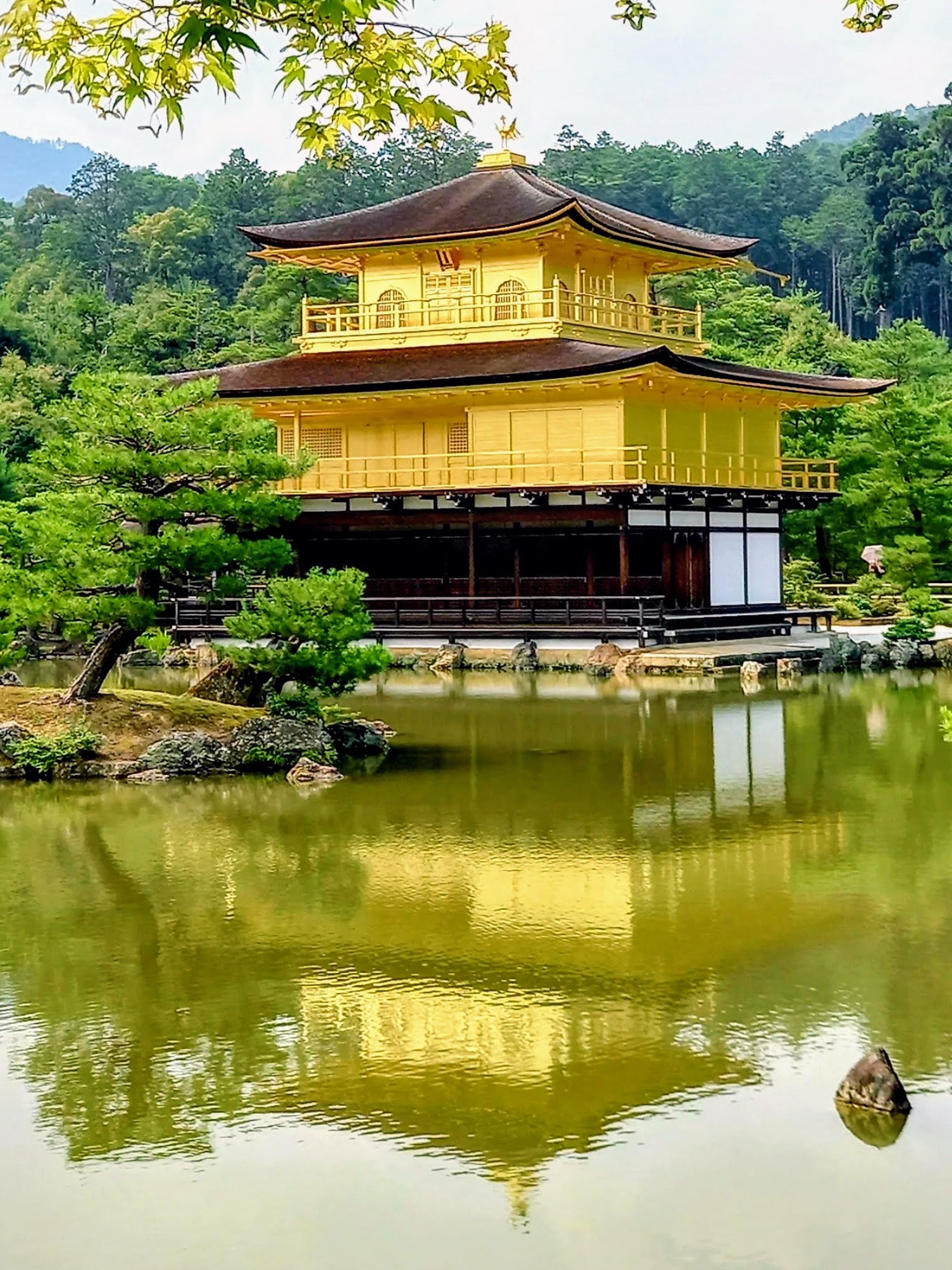
| Kinkaku-ji | Ancient Kyoto component (Rokuon-ji) | Bus | One of the most iconic temple views in Japan |
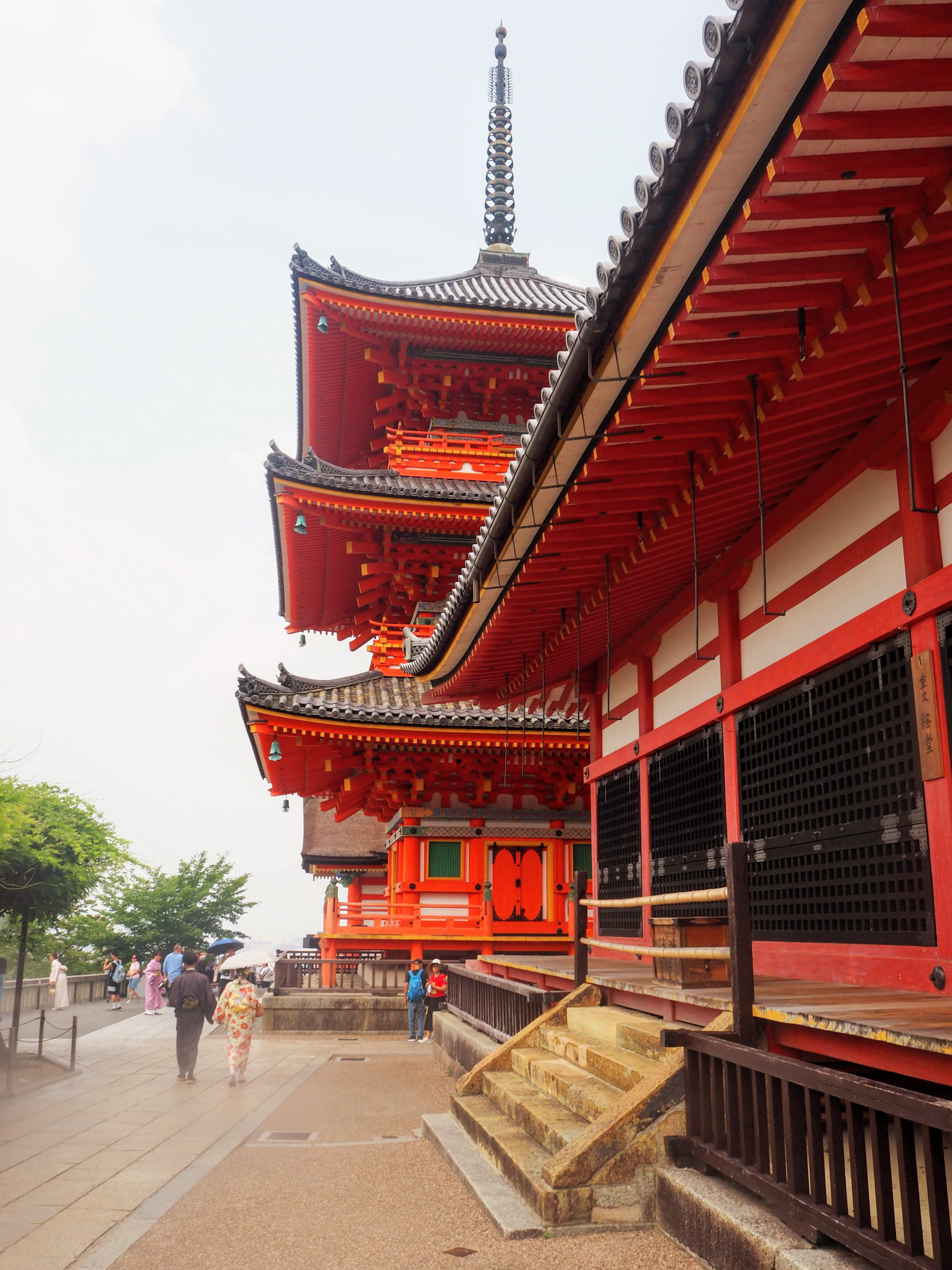
| Kiyomizu-dera | Ancient Kyoto component | Bus + uphill walk | Large crowds; go early or late-day |
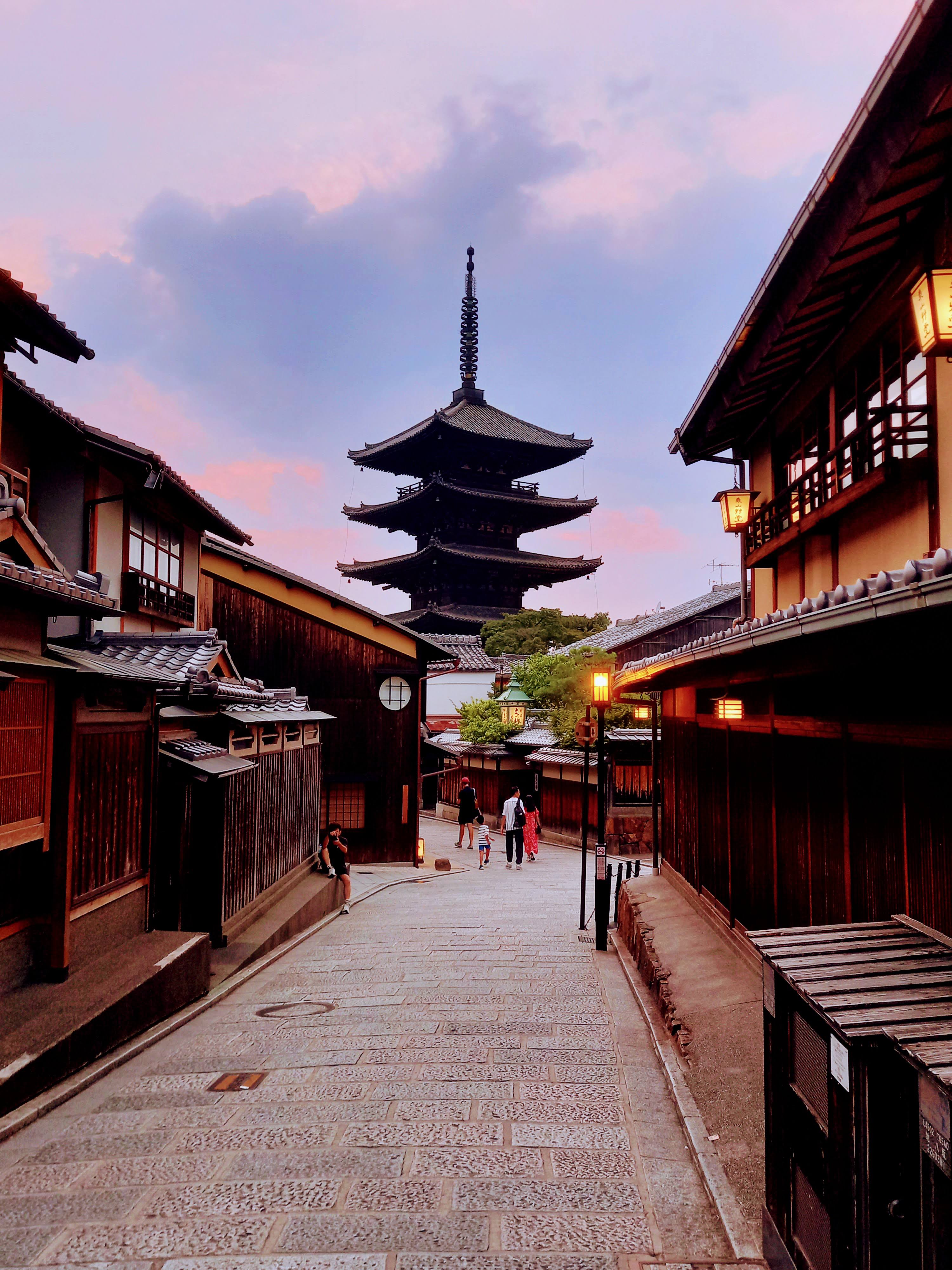
| Yasaka Pagoda | Not UNESCO | Walk from Kiyomizu-dera area | Most repeated Kyoto photo composition |
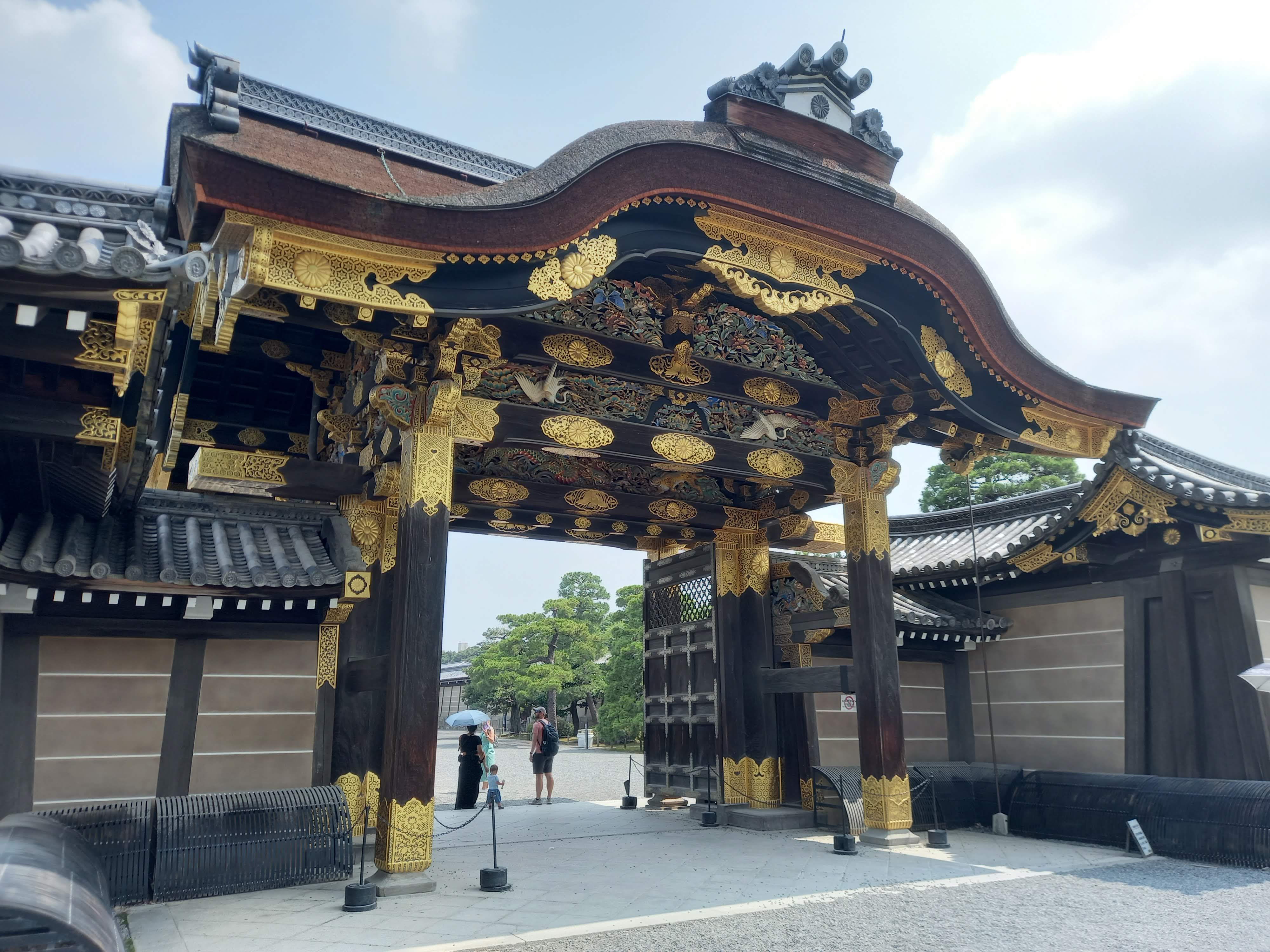
| Nijo-jo Castle | Ancient Kyoto component | Bus / subway + short walk | My last visit in Kyoto, right in the city center |
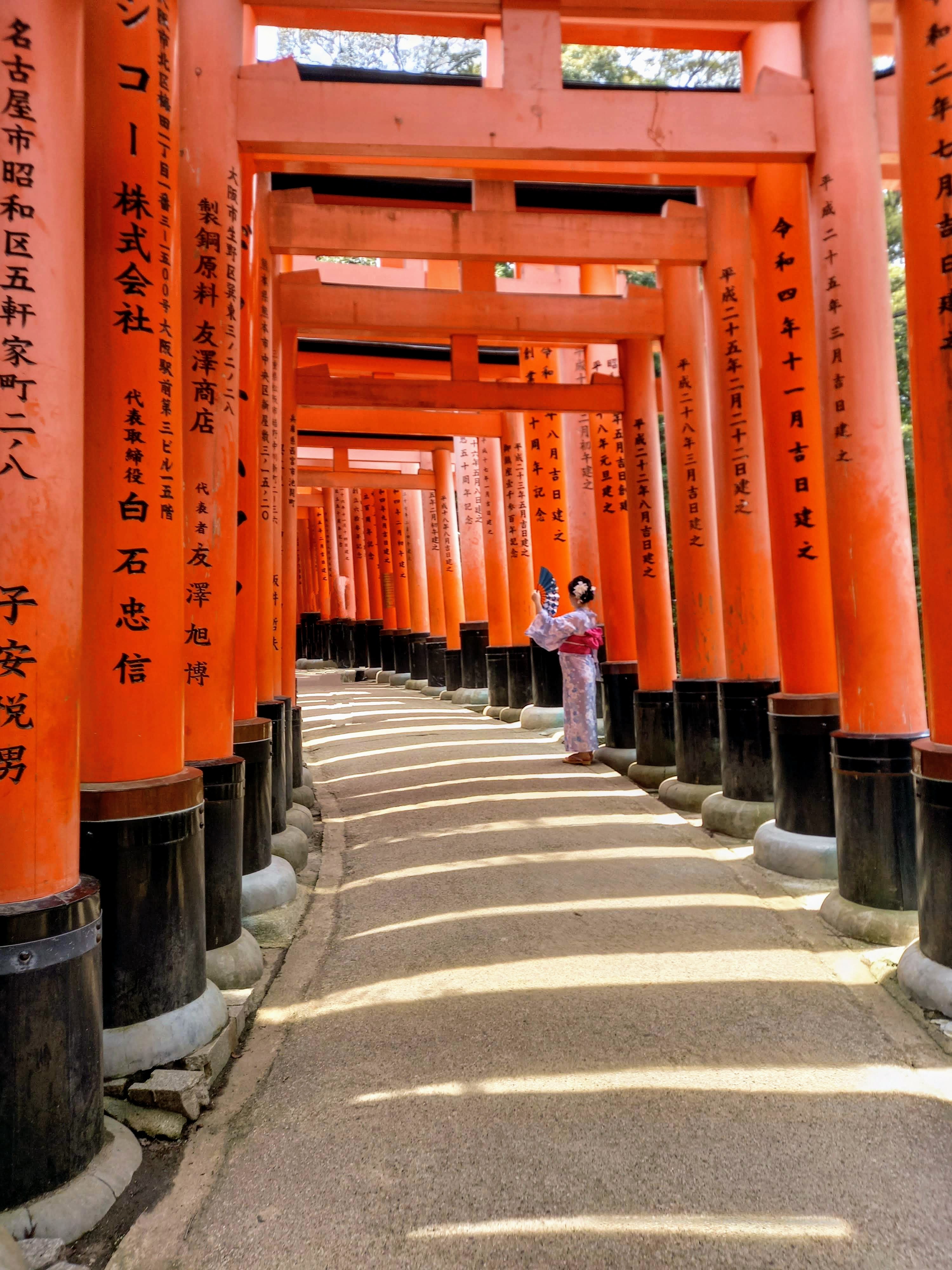
Fushimi Inari is not part of Ancient Kyoto, but it is absolutely a must. The torii sequence is massive (often described as more than 10,000 gates), and it is one of the easiest major Kyoto landmarks to reach by train via the JR Nara Line.
If you are combining Kyoto and Nara in the same trip, this can fit naturally before or after a Nara transfer day. See the Nara route here: Nara (2WHS) practical guide.
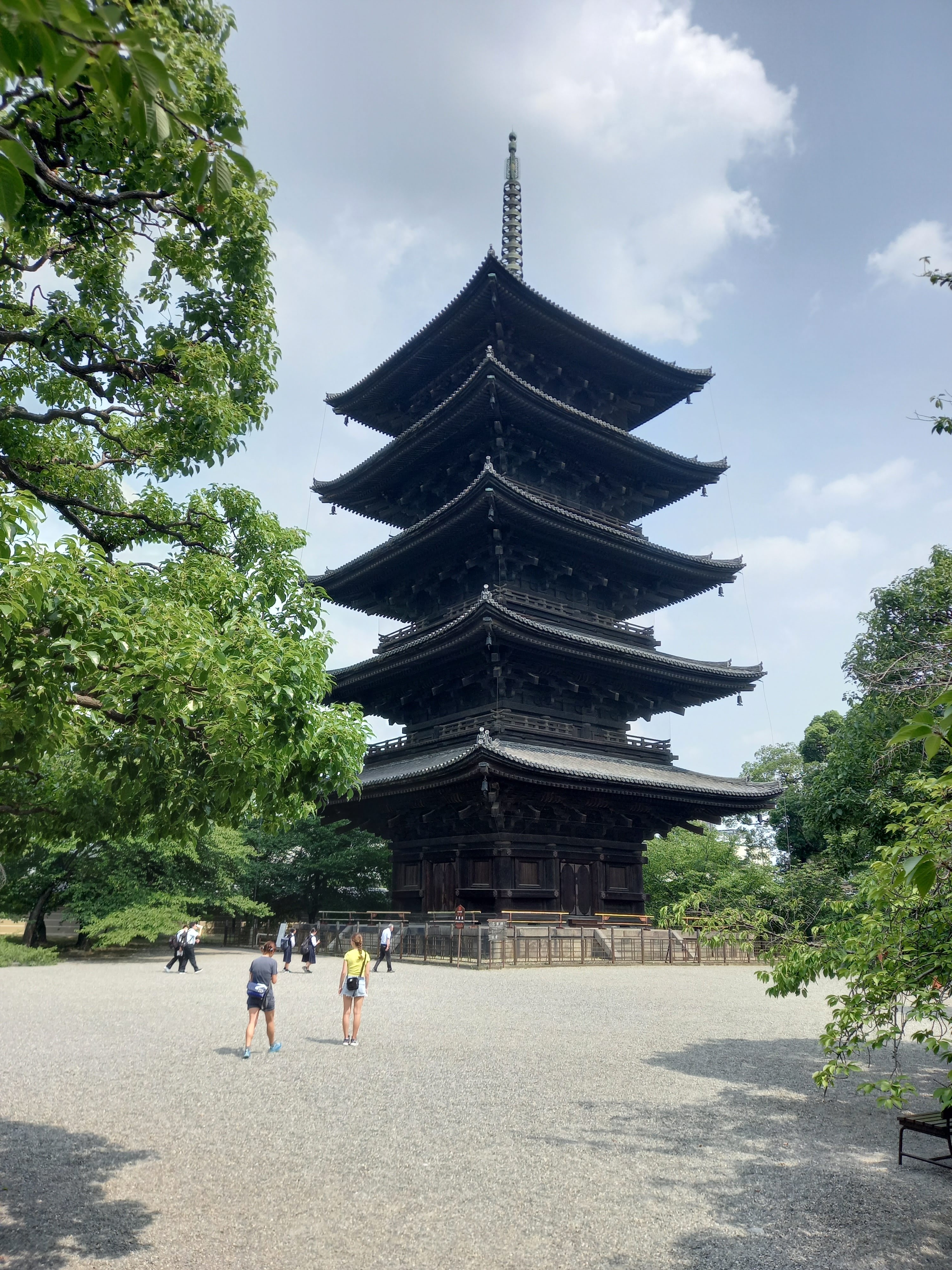
To-ji is a very efficient first heritage stop because it is close to Kyoto Station. It gives you immediate historical depth without burning half a day on transport. If your hotel is station-adjacent, this is one of the easiest high-value starts you can make.
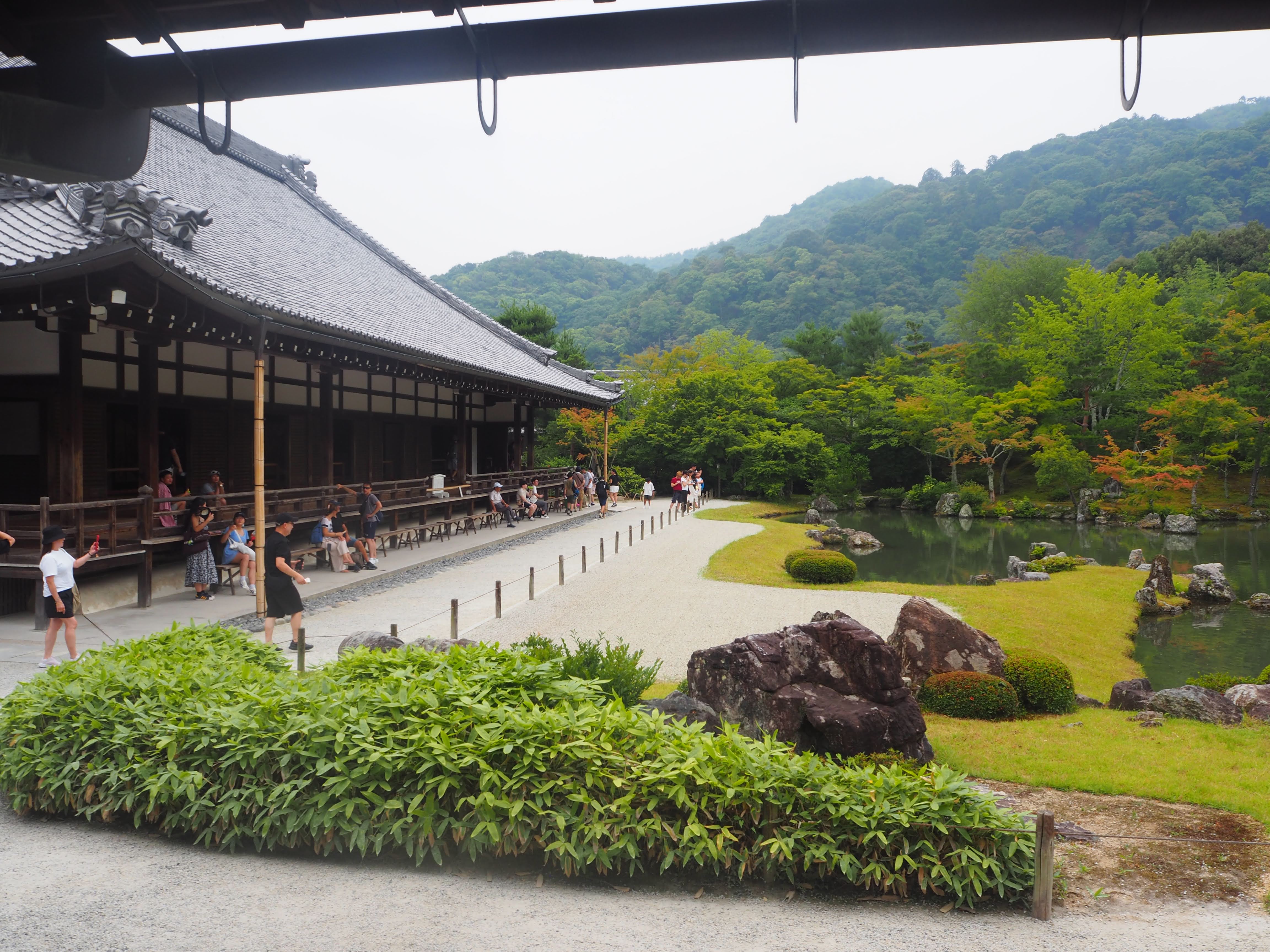
Tenryu-ji is one of the core temples in western Kyoto, and pairing it with Arashiyama is logical because they are right next to each other. The Keifuku Randen Tram Line is worth doing on its own, and it also gives this part of the day a clear identity rather than feeling like another generic bus transfer.
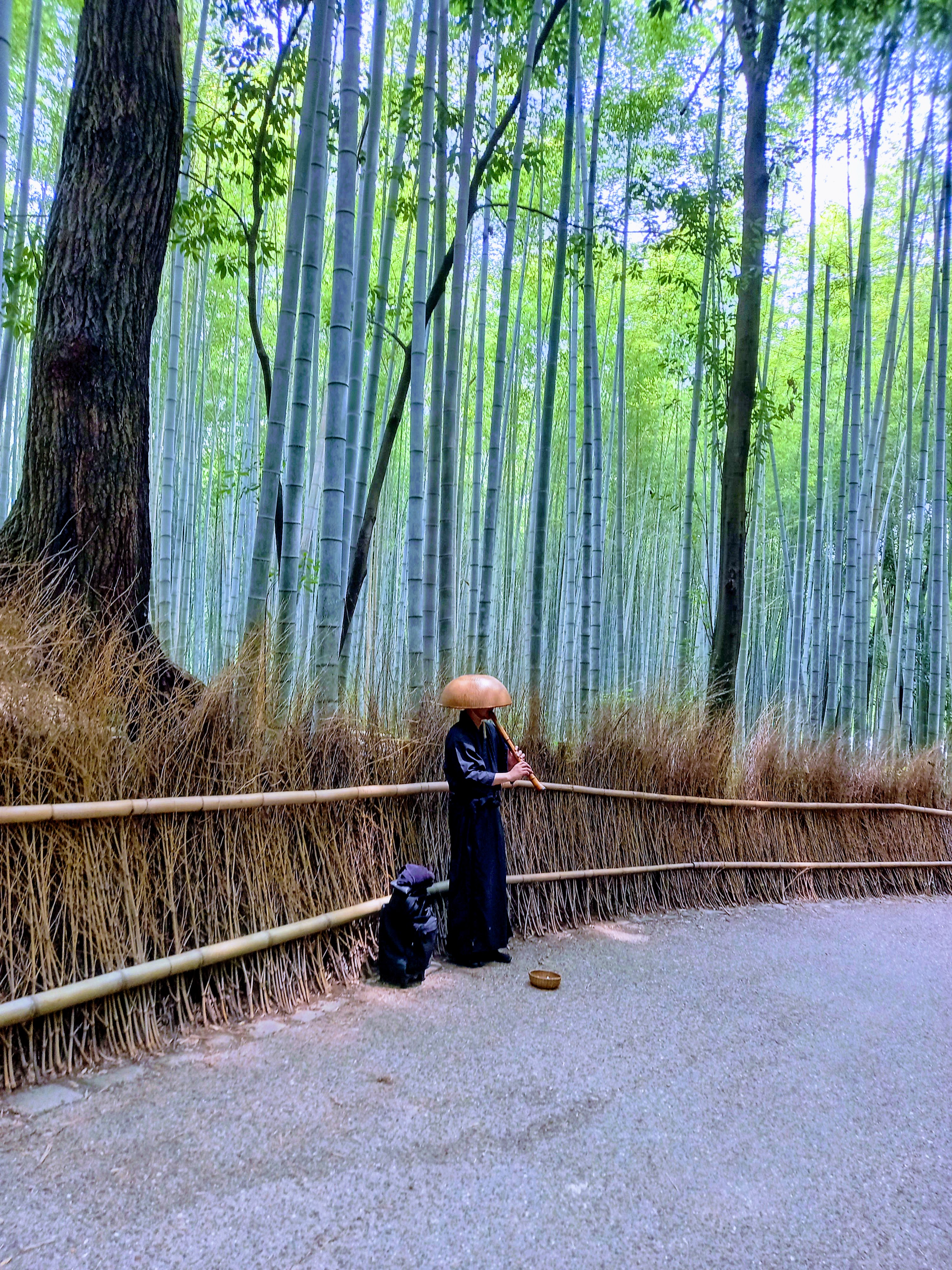
Kinkaku-ji is one of Kyoto's most famous visuals and part of Ancient Kyoto under the historical name Rokuon-ji. It is heavily photographed and often crowded, but still worth seeing in person because the gold reflection and garden composition are difficult to appreciate from photos alone.
Kiyomizu-dera is another flagship component and was a finalist candidate in the New 7 Wonders campaign, which helps explain why visitor density can be intense. Nearby, Yasaka Pagoda is not UNESCO but it is probably the most repeated Kyoto street-frame image.
Nijo-jo was my last visit in Kyoto. It is directly in the heart of the city and a very good final heritage stop because logistics are simple and the site has a different atmosphere from the major temple complexes.
Official component locations shown on the map above:
| # | Component name | Area |
|---|---|---|
| 688-001 | Kamowakeikazuchi-jinja (Kamigamo Shrine) | Kyoto |
| 688-002 | Kamomioya-jinja (Shimogamo Shrine) | Kyoto |
| 688-003 | Kyo-o-gokoku-ji (To-ji) | Kyoto |
| 688-004 | Kiyomizu-dera | Kyoto |
| 688-005 | Enryaku-ji | Otsu |
| 688-006 | Daigo-ji | Kyoto |
| 688-007 | Ninna-ji | Kyoto |
| 688-008 | Byodo-in | Uji |
| 688-009 | Ujigami-jinja | Uji |
| 688-010 | Kozan-ji | Kyoto |
| 688-011 | Saiho-ji | Kyoto |
| 688-012 | Tenryu-ji | Kyoto |
| 688-013 | Rokuon-ji (Kinkaku-ji) | Kyoto |
| 688-014 | Jisho-ji (Ginkaku-ji) | Kyoto |
| 688-015 | Ryoan-ji | Kyoto |
| 688-016 | Hongan-ji (Nishi Hongan-ji) | Kyoto |
| 688-017 | Nijo-jo | Kyoto |
Yes. It is one inscription, but that single entry is made up of 17 separate component monuments in Kyoto, Uji and Otsu.
The specific sequence listed here works best across several days. You can compress parts of it, but trying to combine all major Kyoto highlights in one day usually becomes rushed.
Arashiyama bamboo grove and Fushimi Inari are the two strongest additions to a UNESCO-focused Kyoto itinerary, and both are straightforward to integrate by public transport.
JR Nara Line is usually the cleanest option, especially if you are also planning a transfer day toward Nara.