NEW DELHI (3 WHS)
Qutb Minar, Humayun's Tomb and Red Fort in one practical day, with an optional Jama Masjid stop in Old Delhi
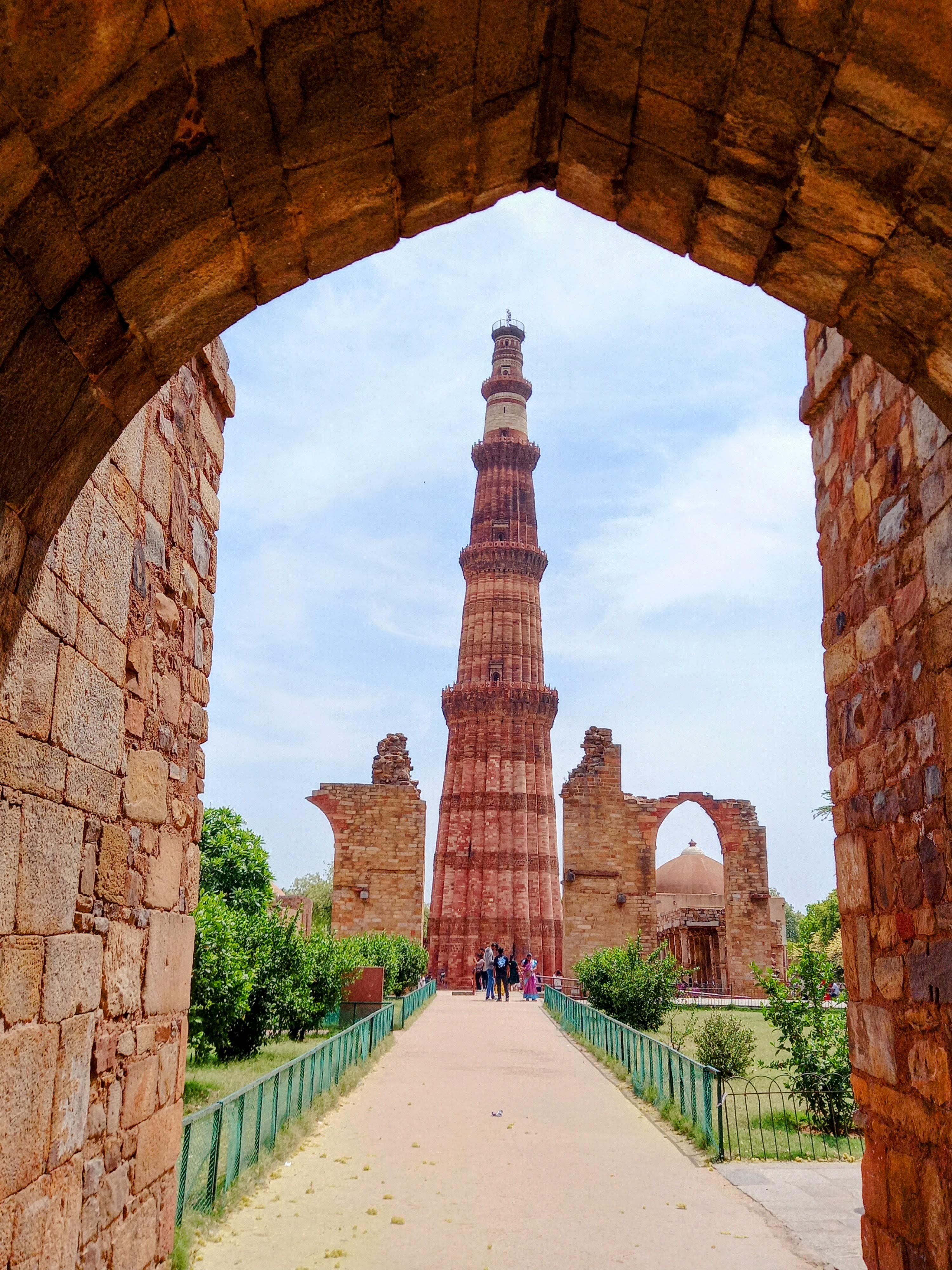
The Qutb complex is one of Delhi's key early Indo-Islamic monument zones, anchored by the Qutb Minar tower and surrounded by mosques, gates, and reused carved elements from earlier traditions. Architecturally, it is a layered site where political transition, religious patronage, and craftsmanship are visible in one compact ensemble.
In itinerary terms, this is a strong morning start because the complex is large but manageable before crowds and heat peak. It also sits far enough south that taxi access works better than trying to chain it by metro with minimal transfers.
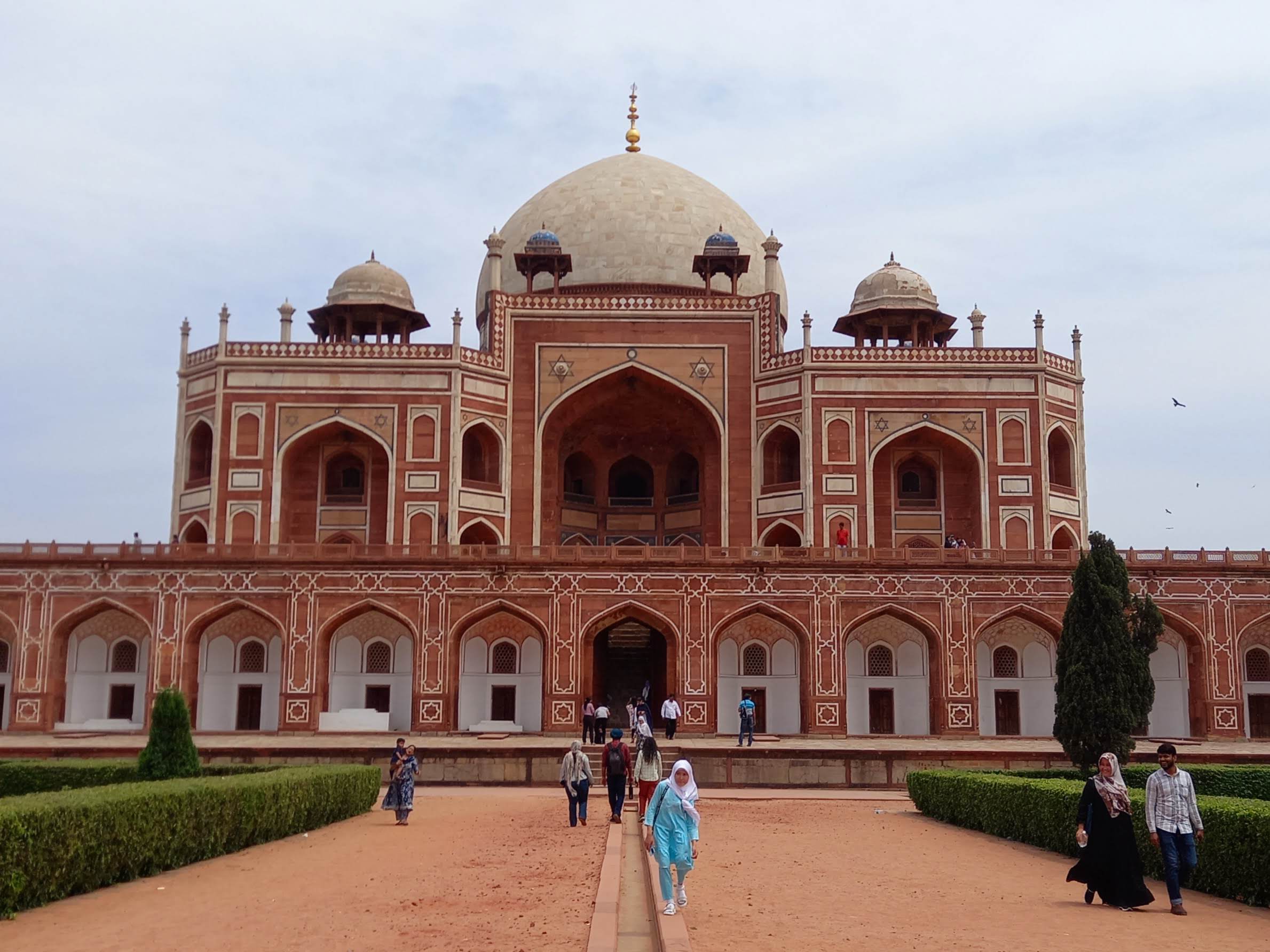
Humayun's Tomb is one of the most important garden-tomb precedents in South Asia and an architectural bridge toward later Mughal masterpieces. The charbagh planning, red sandstone and white marble composition, and geometric clarity make it one of Delhi's most harmonious large monuments.
As a practical second stop after Qutb Minar, it keeps transfer times reasonable by taxi and gives a calmer spatial rhythm before you switch to Old Delhi's denser environment around Red Fort and Chandni Chowk.
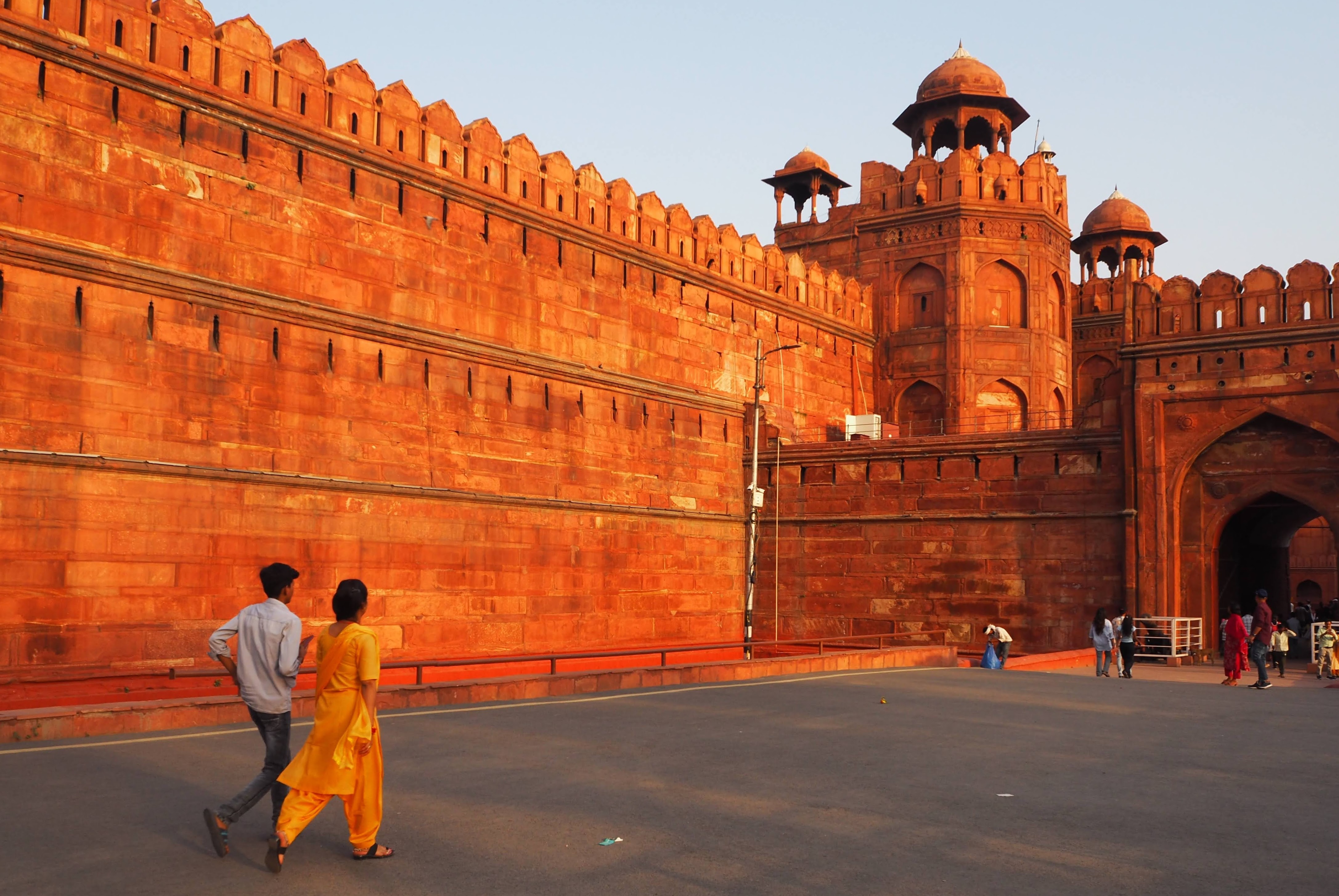
The Red Fort is a ceremonial and political centerpiece of Mughal Delhi, designed as both imperial residence and power statement. Its defensive walls, ceremonial gateways, audience halls, and internal palace planning illustrate the mature phase of Mughal court architecture and urban design.
You reached this part by metro via Chandni Chowk, which is usually a smart move to avoid Old Delhi road congestion in late-day traffic windows. The area is dense and energetic, so plan extra time for walking transitions around the station and fort perimeter.
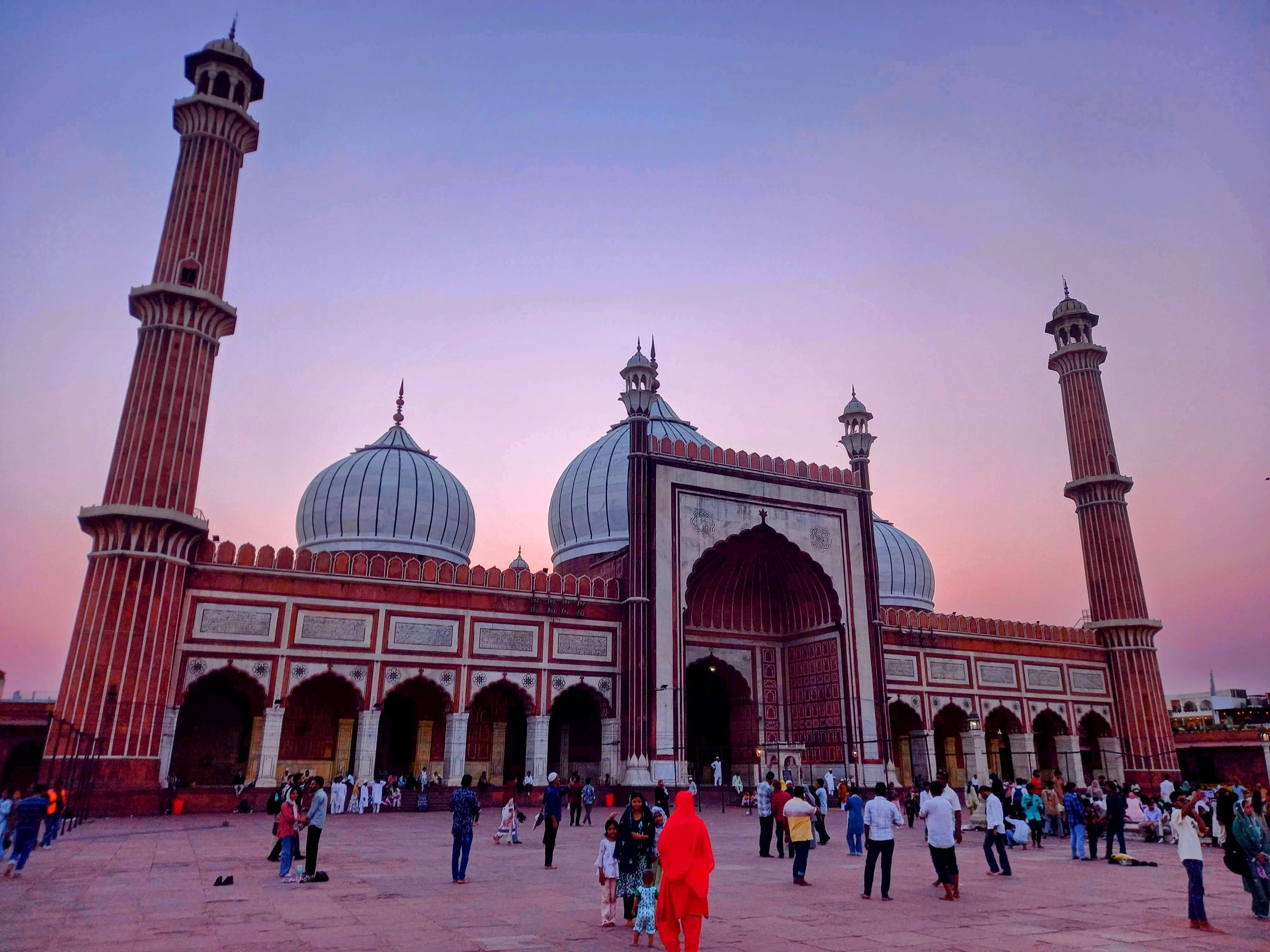
Jama Masjid is not UNESCO-listed, but it is very close and worth visiting if you still have energy and daylight. For non-Muslim visitors, there is usually a small payment for entry or specific access areas, so keep cash available. Even as a short detour, it adds strong historical context to the Old Delhi segment.
| Step | Site | Transport used | Practical note |
|---|---|---|---|
| 1 | Qutb Minar (#233) | Taxi | Early start helps with both crowd and temperature. |
| 2 | Humayun's Tomb (#232) | Taxi | Direct transfer keeps momentum before Old Delhi. |
| 3 | Red Fort (#231) | Metro to Chandni Chowk + walk | Good strategy to avoid road congestion in Old Delhi. |
| 4 (optional) | Jama Masjid | Walk/local short transfer | Small payment for non-Muslim visitors may apply; carry cash. |
Yes. With early departure and efficient transfers, Qutb Minar, Humayun's Tomb and Red Fort can fit in one long day.
Not necessarily. A mixed strategy works best: taxi for Qutb + Humayun transitions, then metro to Chandni Chowk for the Old Delhi segment near Red Fort.
Yes, if time allows. It is close to Red Fort, historically significant, and enriches the Old Delhi portion of the route.