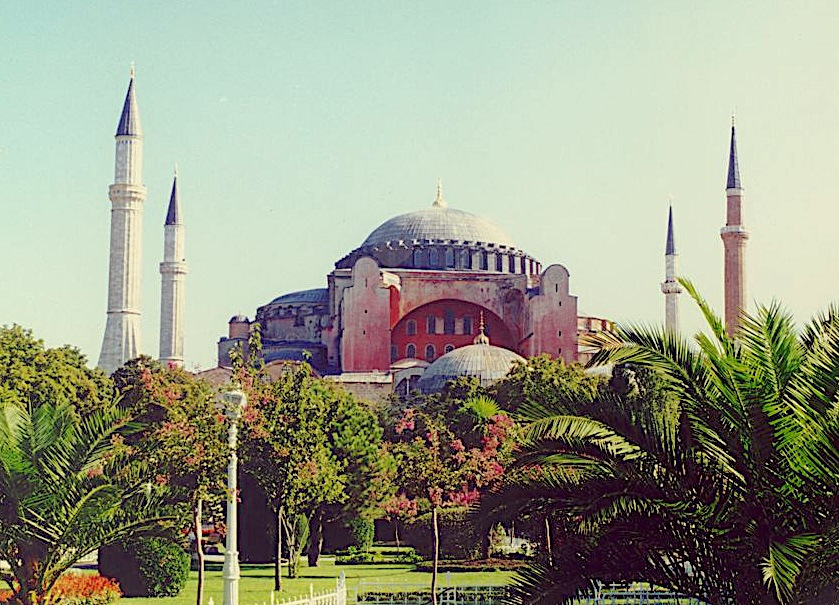
ISTANBUL HISTORIC AREAS
A full walk through Sultanahmet and the old commercial core: Hagia Sophia, Blue Mosque, Topkapi, and Grand Bazaar
Istanbul is one of the rare cities where global history is visible almost meter by meter. Roman infrastructure, Byzantine imperial monuments, Ottoman religious architecture, and modern metropolitan life overlap in a single urban fabric. The UNESCO inscription covers the major historic sectors of the old city and acknowledges not one monument but an entire civilizational crossroads.
In practical terms, this is an ideal walking city for heritage travelers: the distances between the major monuments in Sultanahmet and the traditional commercial core are short, the route is intuitive, and every segment between landmarks still feels historically charged. Even without entering every site, the urban narrative itself is powerful.
The route in this guide is intentionally focused on four landmarks that can be done in one long day: Hagia Sophia, Blue Mosque, Topkapi Palace, and the Grand Bazaar. They represent sacred architecture, imperial governance, and mercantile life — three pillars of historic Istanbul.
Ticket prices, opening hours, and access conditions now change frequently and have generally risen substantially compared with past years. For this reason the guide focuses on structure, walking sequence, and strategic timing rather than fixed price claims that may become outdated.
The route begins in Sultanahmet with Hagia Sophia and the Blue Mosque facing each other across the former Hippodrome zone. From there, you walk uphill-east into the Topkapi Palace complex and then continue west through the old streets toward the Grand Bazaar. Total pure walking time is modest (around 60 to 80 minutes spread through the day), but security lines and site interiors make this a full-day circuit.
| Time block | Segment | Distance / mode | Practical note |
|---|---|---|---|
| ~08:00–09:30 | Hagia Sophia | Start point · on foot | Arrive early for shorter queues and softer morning light. |
| ~09:30–10:30 | Hagia Sophia → Blue Mosque | 5–8 min walk | Same district; plan around prayer times and dress code requirements. |
| ~10:30–13:00 | Blue Mosque → Topkapi Palace | 12–15 min walk | Topkapi can be queue-heavy; mornings are more efficient than afternoons. |
| ~13:00–14:00 | Lunch break near Gülhane / Sultanahmet | 5–10 min walk | Hydrate and rest before the market segment. |
| ~14:00–15:00 | Topkapi → Grand Bazaar | 30–35 min walk (downhill/flat mix) | Passes through dense old-city streets and tram corridors. |
| ~15:00–17:00 | Grand Bazaar and surrounding hans | Walking | End of circuit; easy onward links by tram, taxi, or walking to Galata Bridge. |
Few buildings on earth carry so much historical weight in one structure. Completed in 537 CE under Emperor Justinian I, Hagia Sophia served as the principal cathedral of the Byzantine Empire, was later converted into an Ottoman mosque after 1453, became a museum in the Republic period, and now functions again as a mosque. Its layered identity is central to understanding Istanbul itself.
Architecturally, the central dome still shocks first-time visitors: the interior volume appears to float. The structural transitions from massive piers to pendentives to dome remain one of the foundational moments in world architecture. Mosaic fragments, calligraphic medallions, and Ottoman-era interventions coexist in a single interior language.
When visiting as a traveler, dress and behavior should follow active mosque etiquette. Access routes for worshippers and tourists may differ from season to season, so always verify the current entry procedure on arrival.
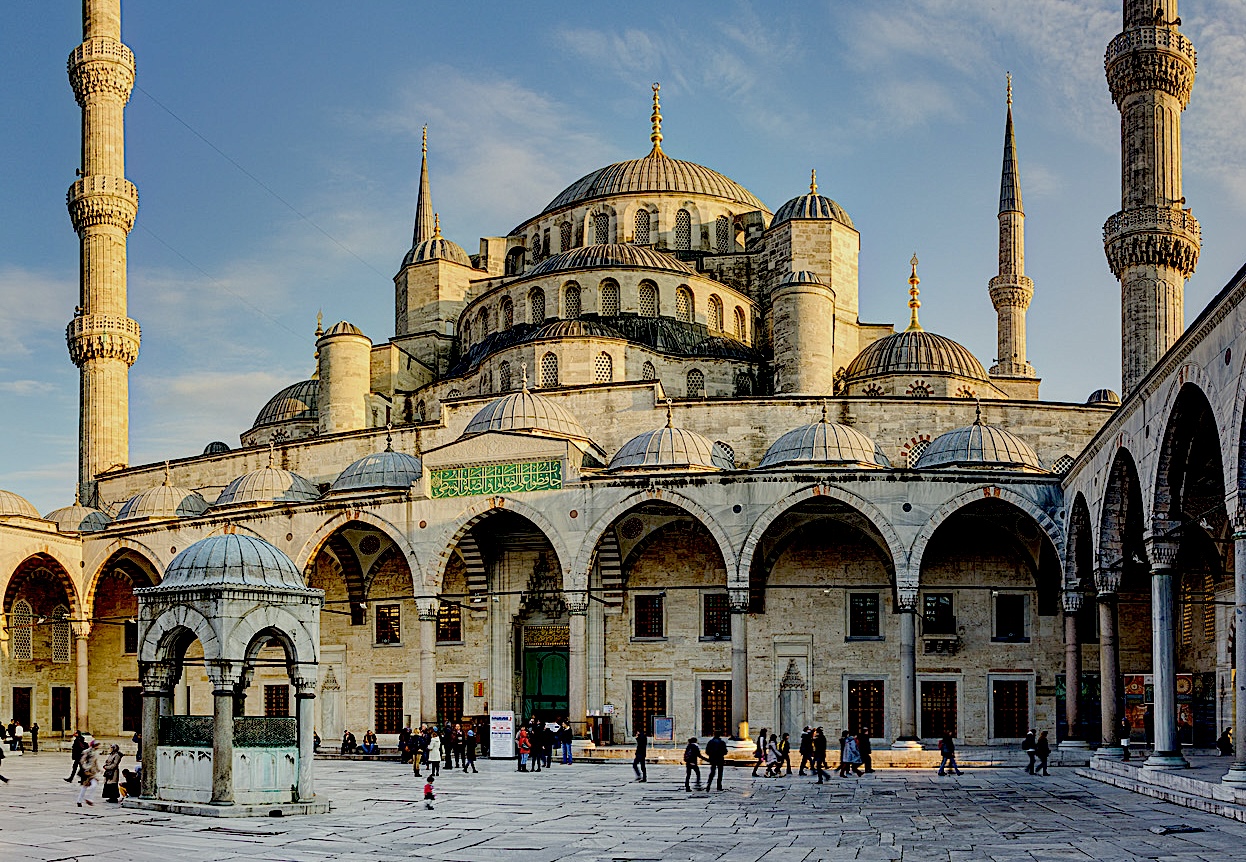
Directly opposite Hagia Sophia, the Blue Mosque (completed in 1616) is an Ottoman statement of imperial confidence in the post-classical period. Its cascade of domes and six minarets redefine the skyline and frame Sultanahmet's ceremonial axis.
Inside, the nickname "Blue Mosque" comes from the dominance of blue İznik tiles and painted ornament, though the full palette is more complex in person. As with all active mosques, prayer times shape visitor flows. Non-worshipping visitors should expect temporary closures during prayers and stricter entry control at peak hours.
Viewed together with Hagia Sophia, the two monuments illustrate an architectural dialogue across centuries: Byzantine engineering transformed and reframed through Ottoman religious form.
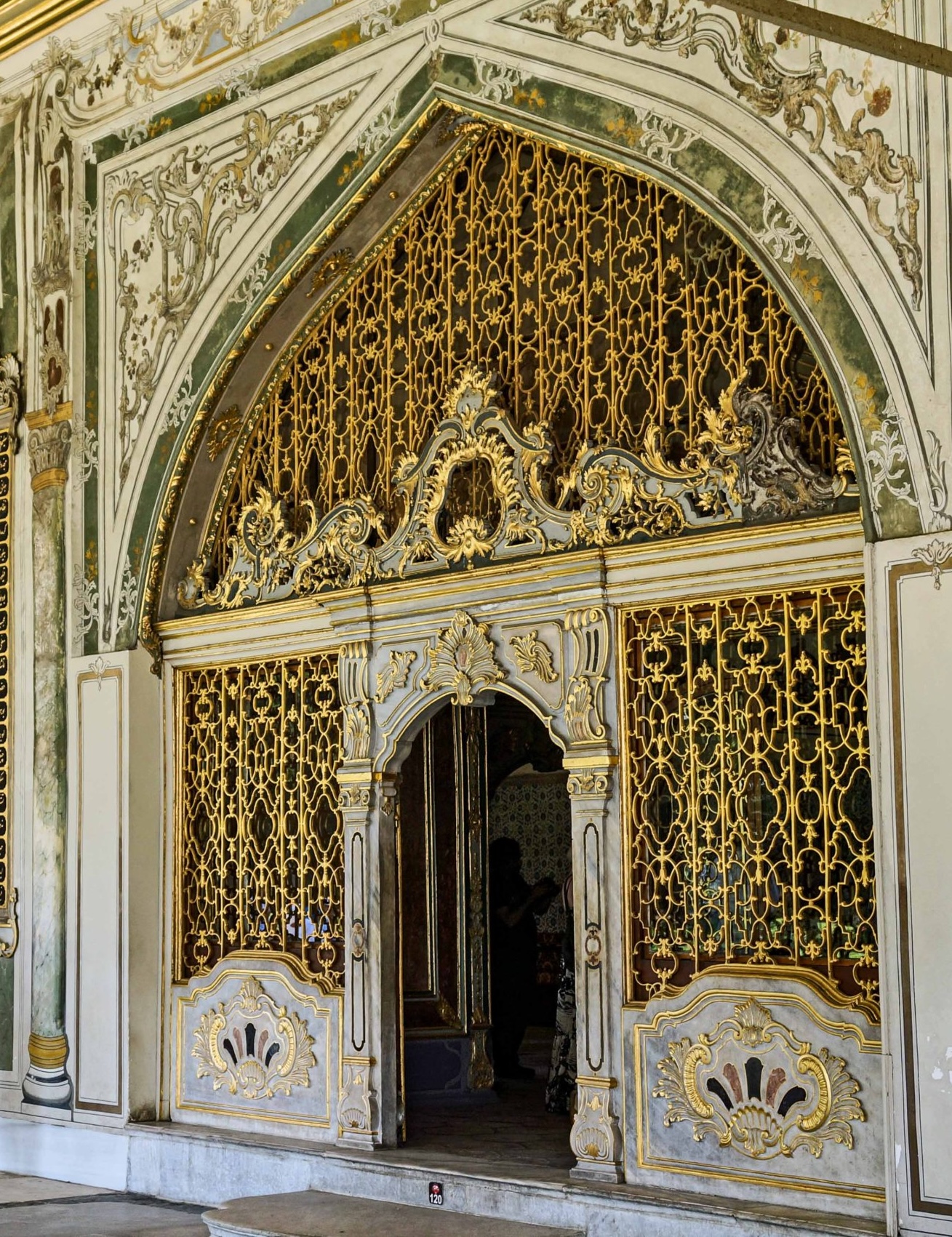
Topkapi is not a single building but a sequence of courts, ceremonial gates, pavilions, treasury spaces, and administrative rooms overlooking the Bosphorus and Golden Horn. For nearly four centuries it functioned as the political heart of the Ottoman Empire.
The experience is spatially layered: each court narrows access and increases symbolic power. The Imperial Council chambers, audience zones, relic collections, and gardens create a progression from public empire to controlled court ritual. The Bosphorus viewpoints from the palace terraces are also among the finest in the city.
Topkapi often has the longest queues of this four-site itinerary, especially when cruise traffic and group tours converge. Prioritizing this stop before midday significantly improves the day.
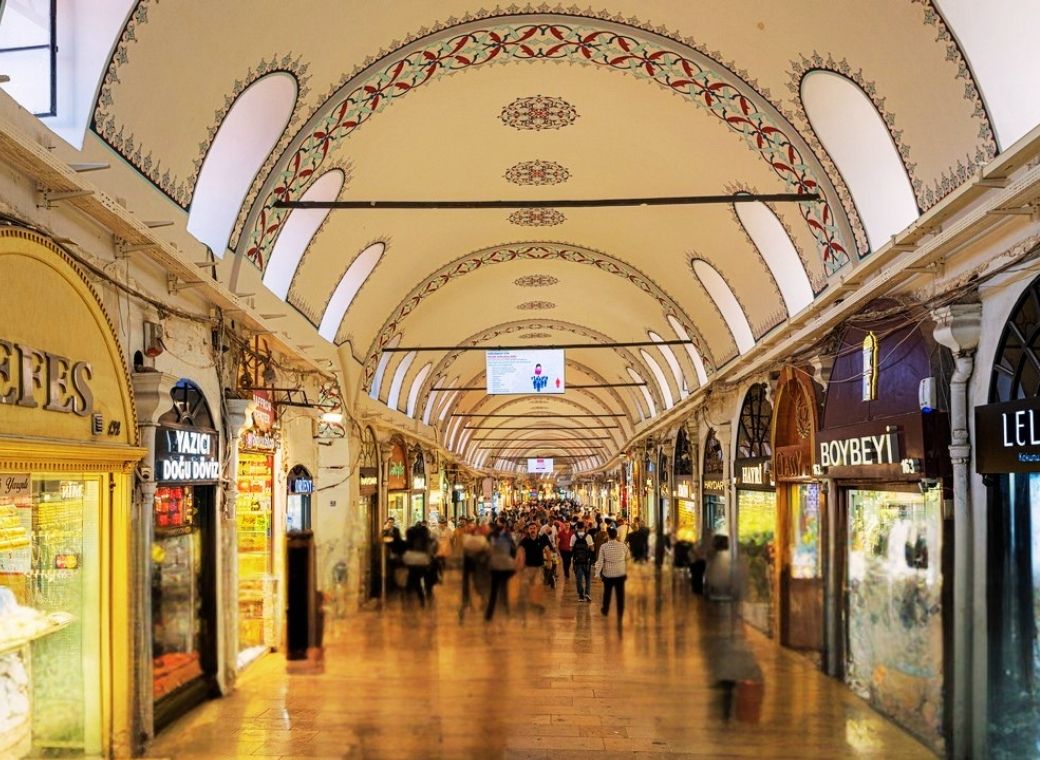
The Grand Bazaar is one of the oldest and largest covered markets in the world, developed from the 15th century onward. It is both a functioning commercial ecosystem and a historical monument: vaulted streets, caravanserai-connected trade patterns, workshop clusters, and traditional guild geographies still shape how the market works.
The bazaar can be disorienting at first, but this is part of its character. It is best experienced with an exploratory mindset rather than strict destination shopping. Beyond souvenir stalls, the surrounding district includes old hans, metalwork workshops, leather and textile specialists, and long-established tea houses where merchants still negotiate over small glasses of çay.
Prices are highly variable, negotiation is expected in many stores, and quality ranges from mass-produced imports to genuine artisan work. For serious purchases, compare across multiple shops before committing.
Yes. Distances between them are short and fully walkable. The challenge is not distance but lines, security checks, and interior visit time. If you start early and keep a disciplined sequence, one long day is realistic.
Hagia Sophia first, then Topkapi. Blue Mosque is often easier to slot depending on prayer windows, while the Grand Bazaar is flexible and can be shortened to 45 minutes if needed.
No. They have changed considerably in recent years, especially at the highest-profile monuments. Always verify current prices and access rules on the same day.
Tourism is dominant in many lanes, but the bazaar remains a functioning trade network with artisan workshops and professional wholesalers in surrounding hans. It is still historically and culturally worthwhile.
Spring (April-May) and autumn (September-October) are ideal for walking temperatures. Summer can be hot and crowded; winter has fewer tourists but shorter daylight and occasional rain or wind.