AYUTTHAYA
UNESCO Ancient Capital: a 1-hour Bangkok day trip to temples, prang towers, and archaeological splendor
Ayutthaya was the second capital of the Siamese Kingdom, founded around 1350 and flourishing from the 14th to 18th centuries. At its peak, it was one of the world's largest and most cosmopolitan urban centers. My colleague and I drove from Bangkok in about an hour on a clear November morning—excellent weather with no rain and moderate heat.
The site itself is enormous: an archaeological park covering 289 hectares and spread across an island formed by three converging rivers. Unlike many UNESCO sites, Ayutthaya does not have the bottleneck of a single monument. Instead, visitors encounter dozens of temple ruins, monastery complexes, and prang (reliquary towers) distributed across the landscape. This dispersal means no queuing and a peaceful exploration rhythm.
Entry practicals: we paid for tickets at the gate with no advance booking needed and encountered no crowds. The park is managed by the Thai Fine Arts Department and protected under Thai law. Entry is straightforward and inexpensive.
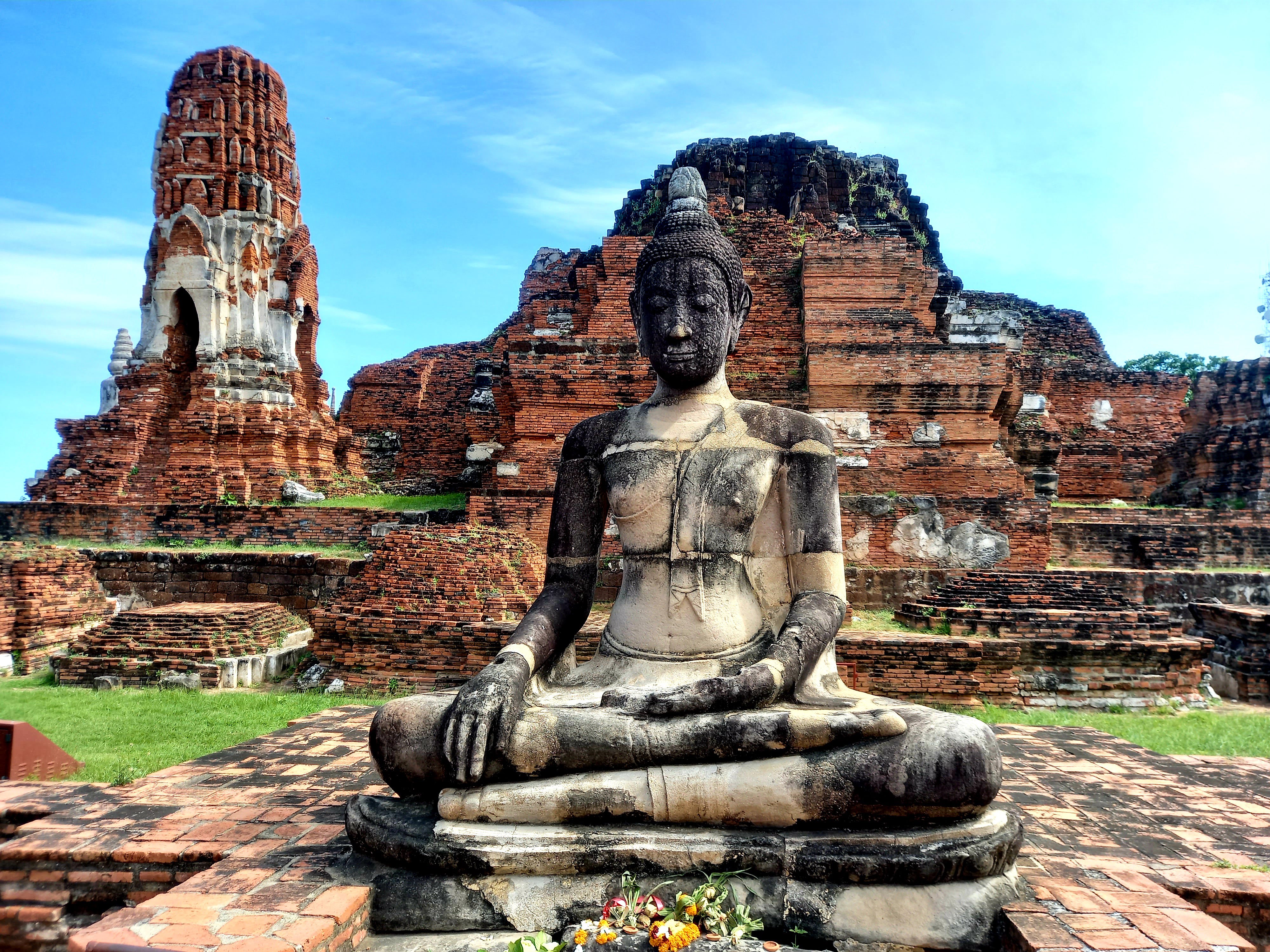
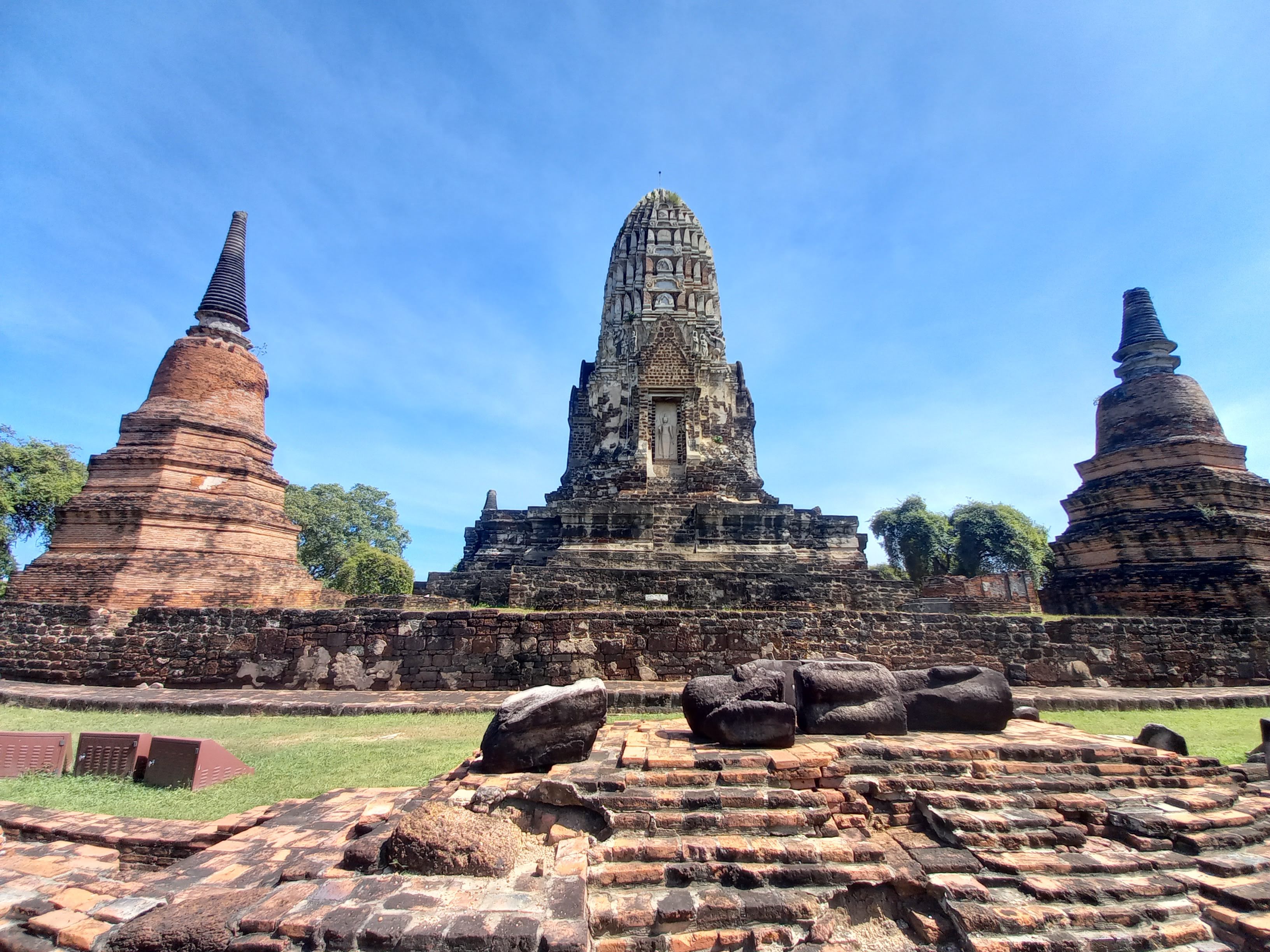
We followed a logical circuit visiting the major ruins: Wat Mahathat with its iconic Buddha head emerging from tree roots, Wat Phra Si Sanphet (the royal temple) and its three distinctive chedis, and Wat Yai Chai Mongkhon with its massive chedi and peaceful atmosphere. Each site took 20–40 minutes depending on our pace and interest.
The ruins themselves are remarkable: towering prang, crumbling brick walls, scattered stone carvings and Buddha images, and everywhere the evidence of a once-grand civilization. After Ayutthaya was destroyed by the Burmese in 1767, the city was never rebuilt, leaving the remains as an open-air museum of Siamese architectural splendor.
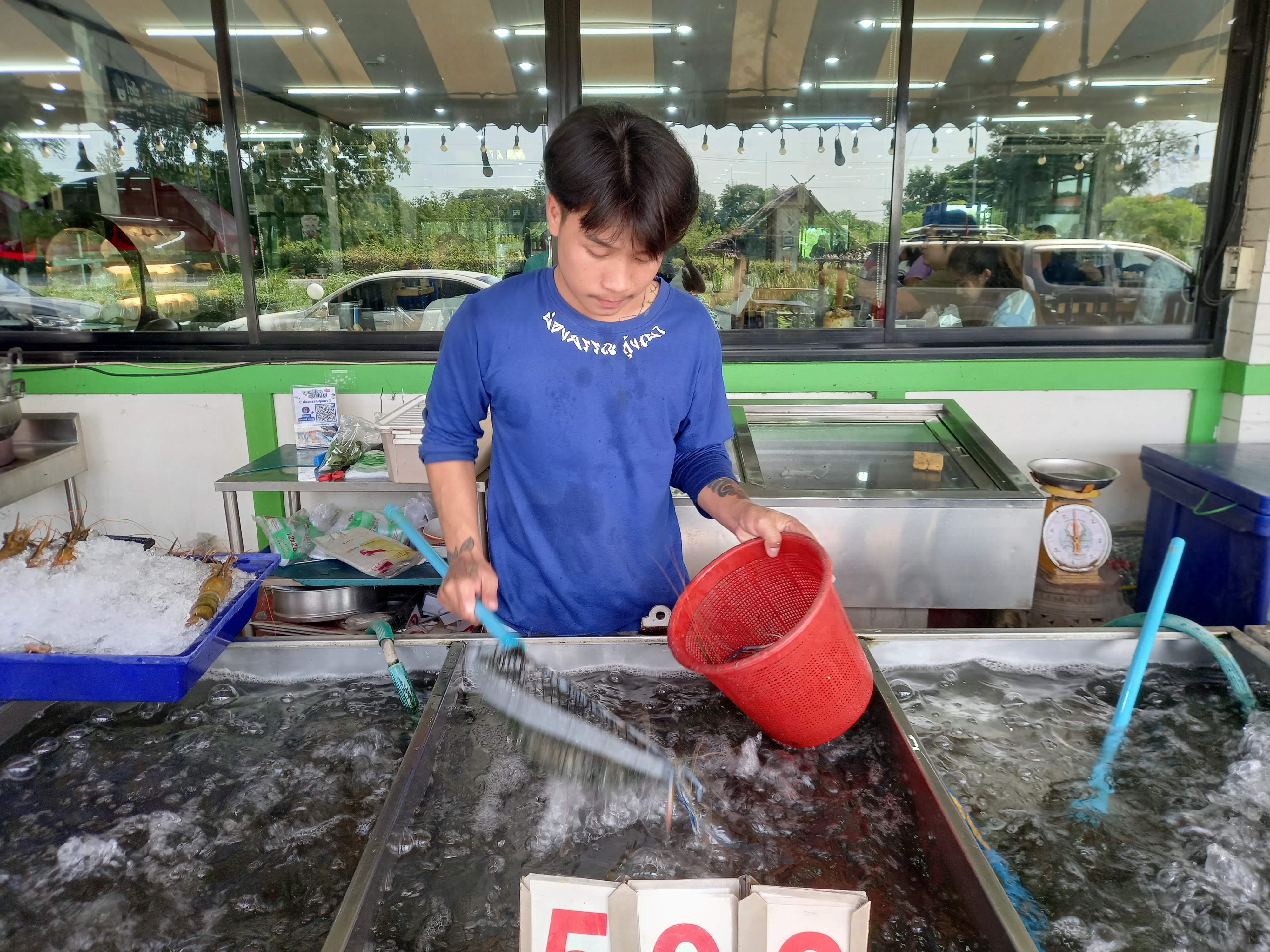
On our return to Bangkok, we stopped at a riverside restaurant along the Chao Phraya River (the main river running through the region). These establishments are common in Ayutthaya—simple, unpretentious places where the kitchen operates at the water's edge.
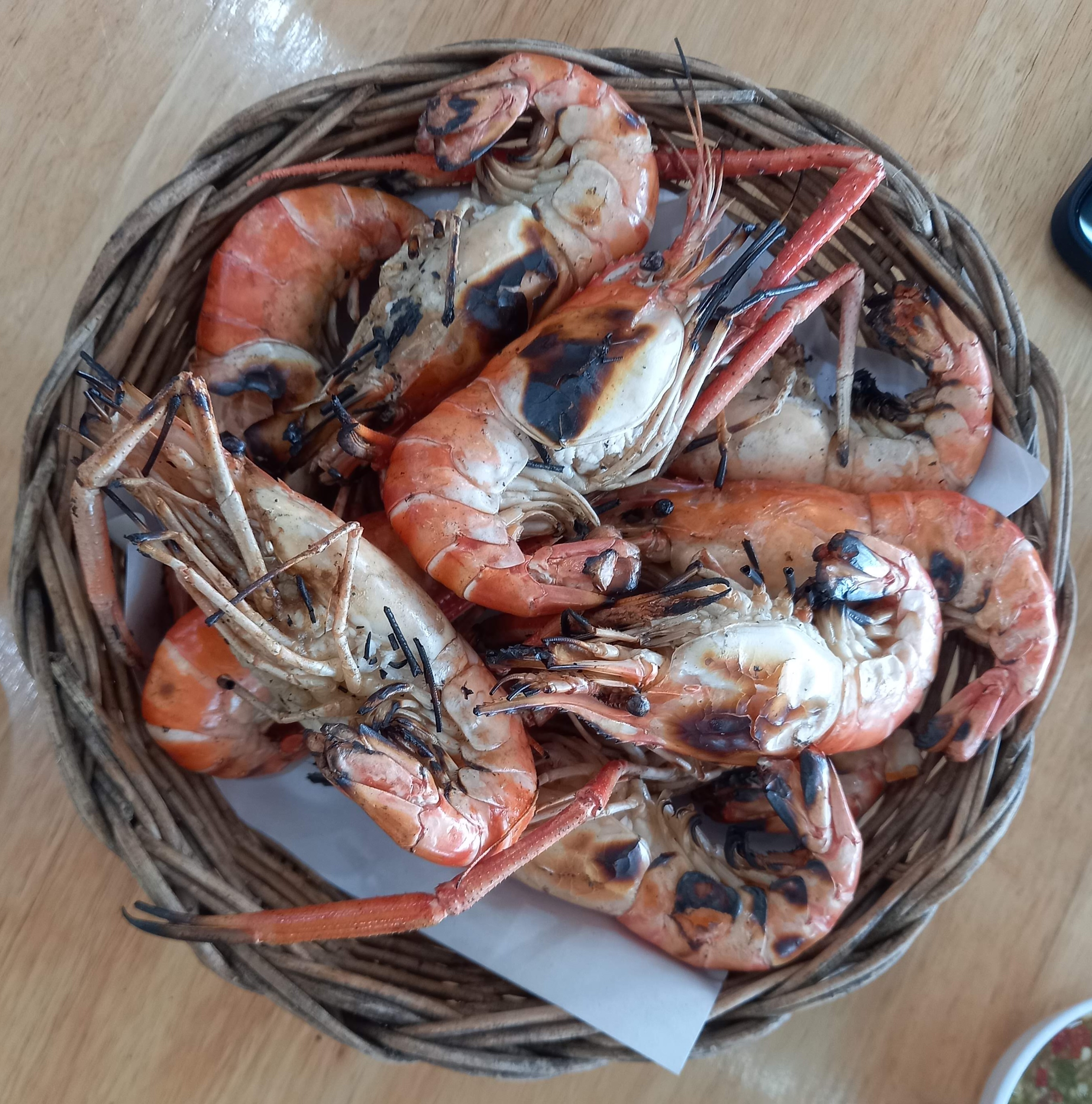
The experience was authentic and memorable: outside the restaurant sat large fish tanks with fresh prawns and seafood. A cook stood at a coal fire continuously gutting prawns, seasoning them, and grilling them over open flames. The smell alone was irresistible, and the result—hot, smoky, succulent prawns with a squeeze of lime and minimal sauce—was exactly what the moment demanded after several hours of temple exploration in the heat.
This kind of dining is emblematic of Thai riverside culture: no reservations, no fuss, direct from catch to flame to plate in minutes. We ordered a generous plate, cold beverages, and watched the river traffic while eating. Total cost was modest and the quality exceptional.
| Time block | Segment | Transport | Practical note |
|---|---|---|---|
| ~08:00–09:00 | Bangkok -> Ayutthaya | Private car (1 hour) | Leave early to beat midday heat; parking available at or near temple sites. |
| ~09:30–12:00 | Temple circuit (Wat Mahathat, Wat Phra Si Sanphet, Wat Yai Chai Mongkhon, others) | Walking + short car transfers between sites | Spread across the island; 2–3 hours covers all major monuments comfortably. |
| ~12:00–13:30 | Lunch break or rest | Café, restaurant, or shaded area | Hydration essential; heat peaks around midday in November (pleasant, but still requiring water and sun protection). |
| ~13:30–16:00 | Continued exploration or riverside relaxation | Walking or car | Visit additional minor temples, sit by the river, or prepare for return journey. |
| ~16:00–17:00 | Riverside prawn dining | Car to riverside restaurant | Excellent timing: late afternoon light, cool-down period, and authentic local experience. |
| ~17:00–18:00 | Ayutthaya -> Bangkok | Private car (1 hour) | Arrive back in Bangkok before rush-hour traffic intensifies; relaxed journey after a full day. |
Absolutely. It is only 1 hour from Bangkok by car. A full day trip (8–10 hours total including drive and dining) is very comfortable and allows thorough exploration of the major temples and a relaxed riverside meal.
A circuit of the major sites (Wat Mahathat, Wat Phra Si Sanphet, Wat Yai Chai Mongkhon, and a few others) takes 2–3 hours depending on pace and interest. The park is vast, so you could spend the entire day, but 2–3 hours covers the highlights well.
No advance booking is necessary. Tickets are available at the site gate on the day. There are no queues, and since people spread across multiple temple sites, there is no risk of overcrowding at any single location.
Wear comfortable walking shoes, light and modest clothing, a hat, and sunglasses. Bring a large water bottle, sunscreen, and a light rain jacket (even in dry seasons, a sudden shower is possible). Dress respectfully for temple visits (shoulders and knees covered when inside shrines).
Riverside restaurants along the Chao Phraya River near Ayutthaya offer authentic Thai seafood, especially fresh grilled prawns. These are casual establishments with outdoor seating, fish tanks at the water's edge, and immediate coal-fire cooking. No reservations needed; perfect for a late-afternoon break.
I visited in late November during Thailand's cool, dry season. The weather was excellent: no rain, moderate temperatures (not excessively hot), and clear skies. This is considered the best time to visit Ayutthaya. The monsoon and hotter months would be less comfortable.